Office equipment
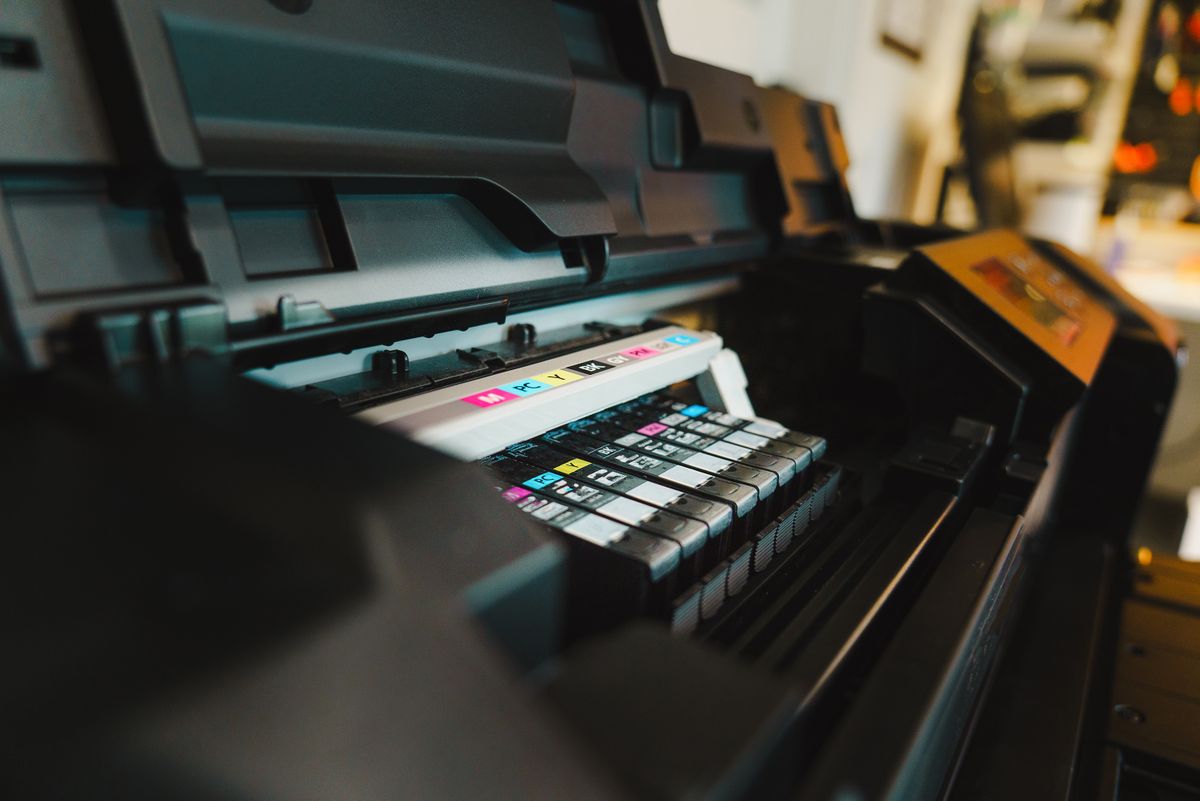
Color printing when most pages are black and white
Separate the color you need to communicate from the color that merely happens to be in the file.
Read the noteThe notebook
Browse by subject, or find a note about the task in front of you.
Separate the color you need to communicate from the color that merely happens to be in the file.
Read the note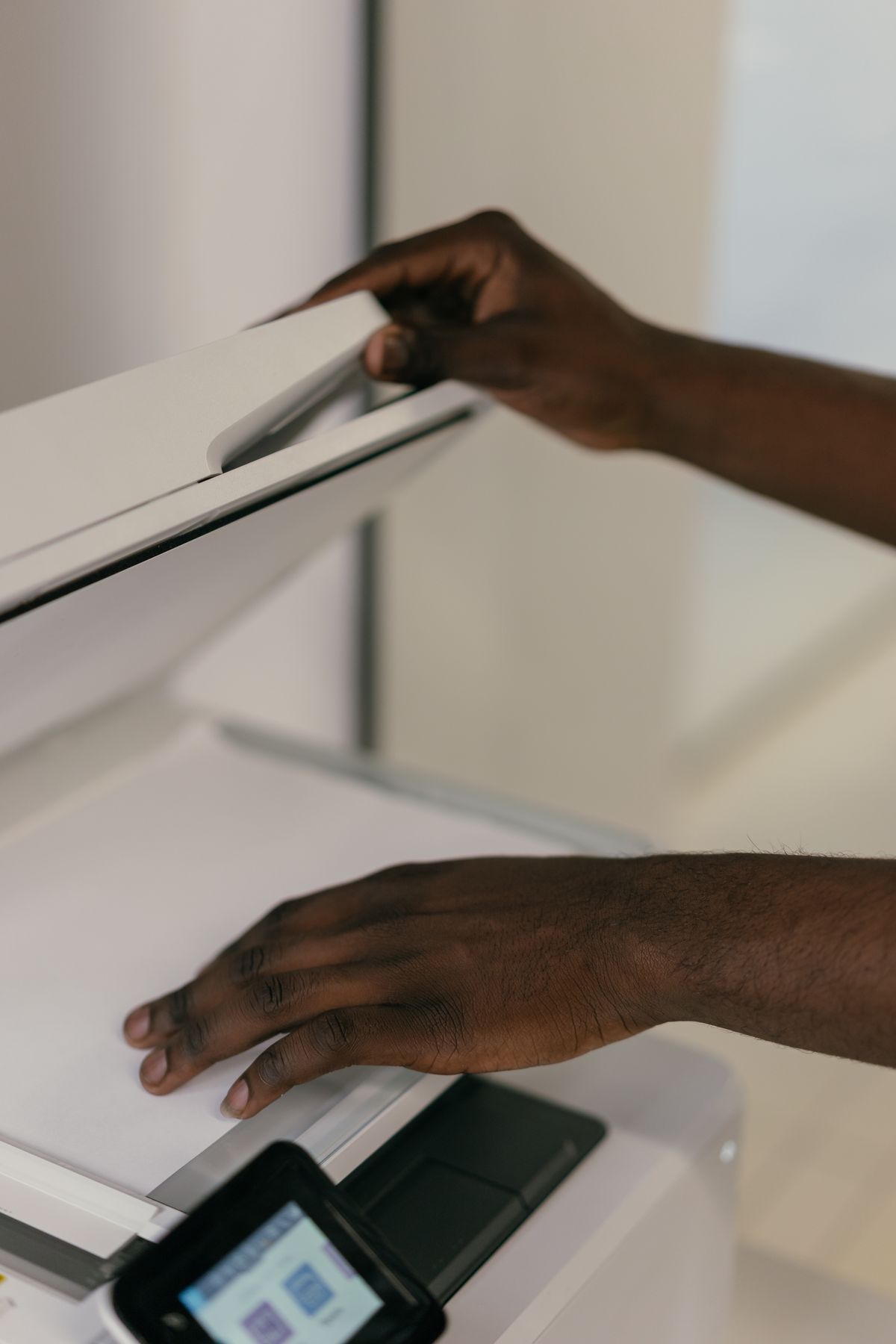
The shape and condition of your originals should decide the capture method before resolution enters the conversation.
Read the note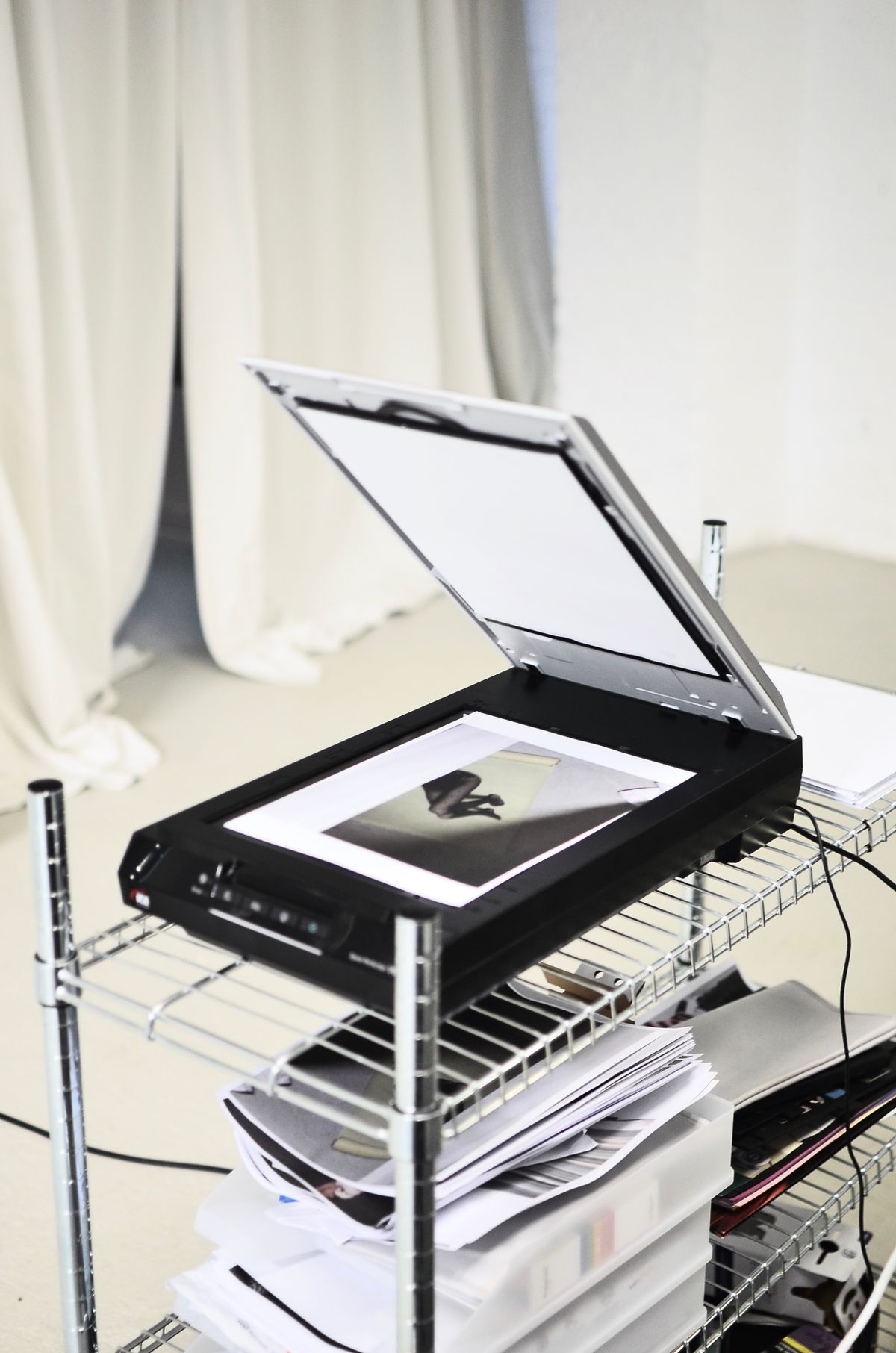
A sheet feeder saves time on batches; a flatbed gives an original a place to rest without traveling through rollers.
Read the note
The number on the box describes one limit. Paper type, running time and the way you feed it determine the rest of the job.
Read the note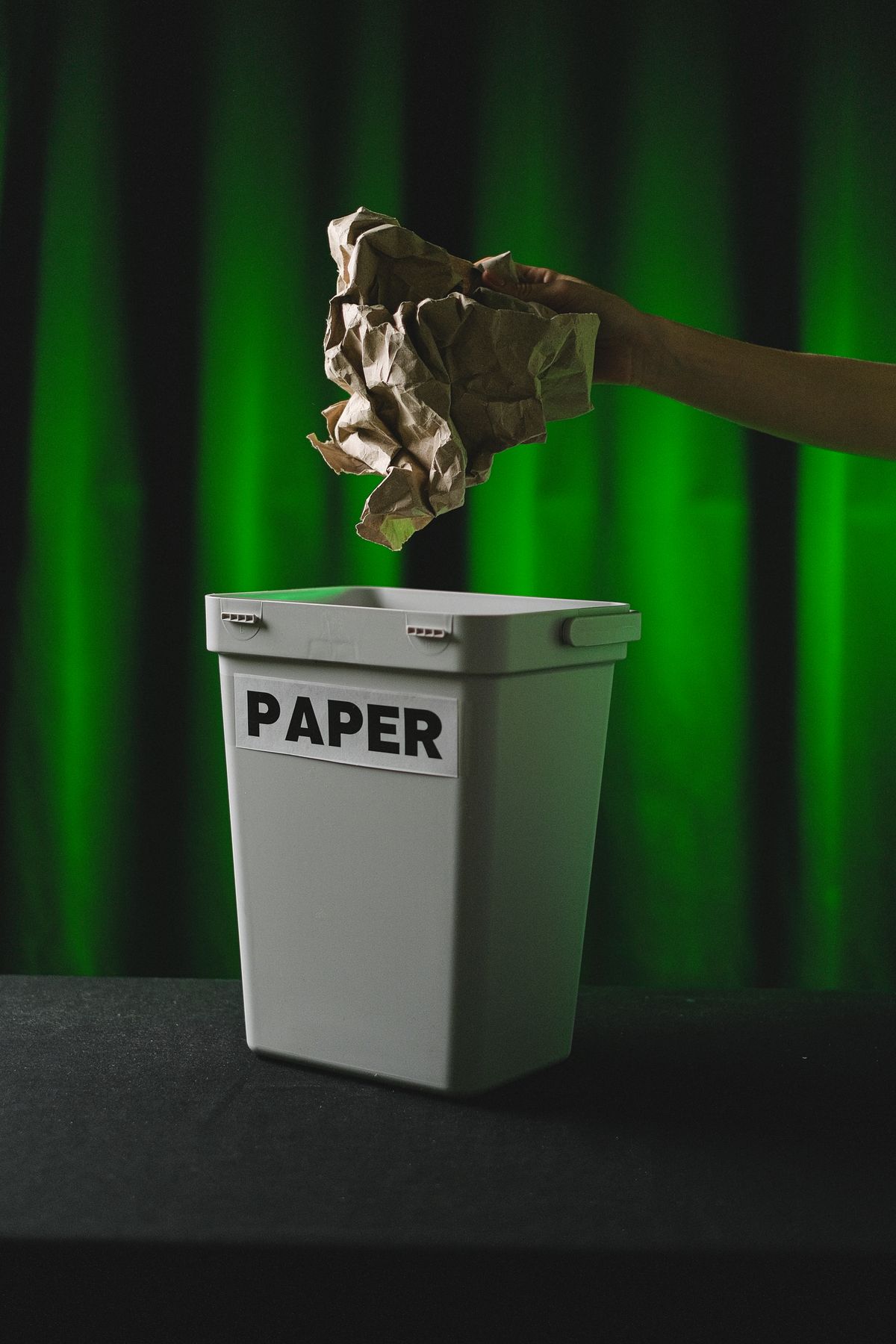
Emptying the machine is part of using it. Check the lift, the drawer travel and where the paper goes next.
Read the note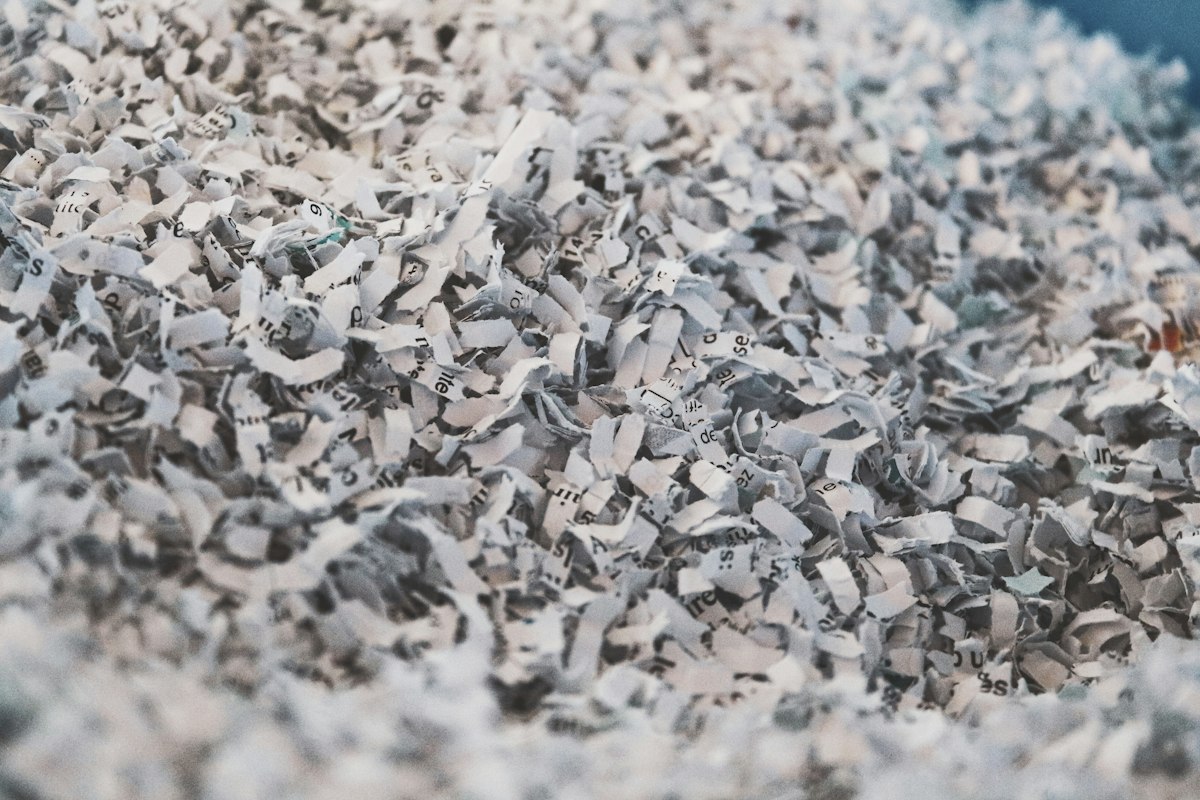
Look at the stated particle size and the information being discarded instead of relying on a reassuring product name.
Read the note
Work backward from the finished label, its surface and its software instead of shopping by printer width alone.
Read the note
A label that works for a short journey may not be the right record for a long stay in a filing cabinet.
Read the note
Match the machine to the finished pouch and leave room for it to emerge flat and hot.
Read the note