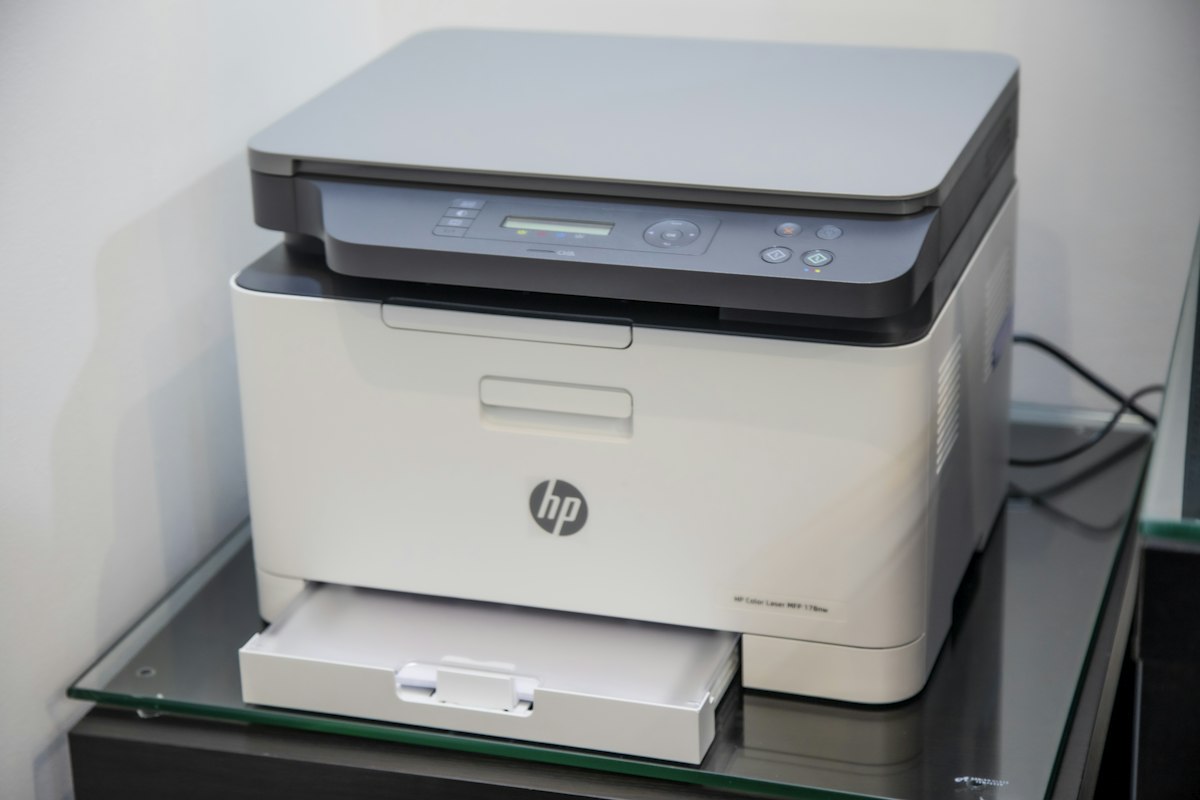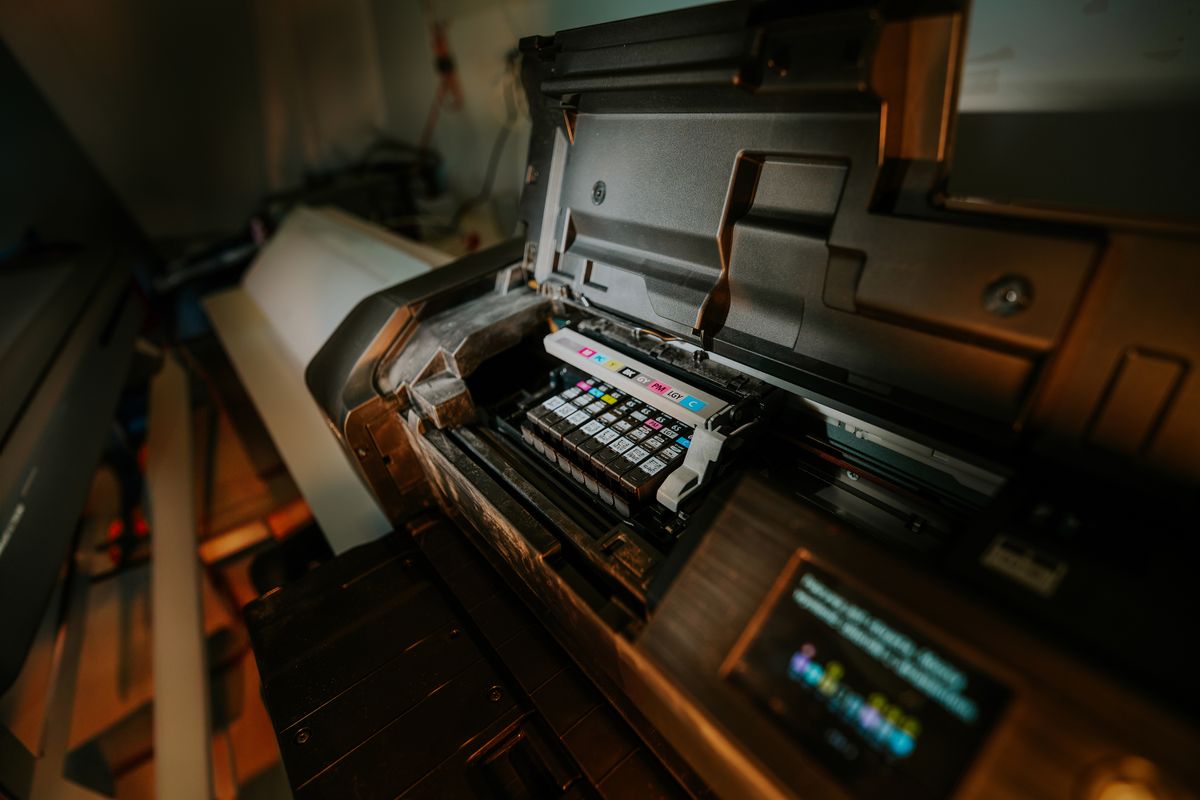
The cheapest printer on the shelf may be expensive to keep supplied, but the opposite claim can be misleading too. A machine with a low advertised cost per page may need years of your actual printing to justify its purchase price. A useful comparison needs three things: a realistic workload, compatible replacement supplies and an honest account of what the calculation leaves out.
Choose a period that means something to you
Estimate the pages you print in a normal month from recent use rather than an ambitious future plan. Separate black-and-white and color pages if both matter. Note any months with a predictable larger job. Multiply by the period you want to compare, such as two years, but do not imply that this period predicts the printer's service life.
Count printed sides consistently. A double-sided sheet contains two printed pages for a page-yield calculation. If one estimate uses sheets and another uses sides, the comparison can be wrong before any cartridge prices are entered. Keep paper costs separate so you can see whether automatic duplexing changes the amount of paper used for your work.
Use the right supply code and a comparable yield
Find the full replacement cartridge or bottle code, its current price from the supplier you would use and its declared yield. Confirm whether the yield follows a stated standard and whether you are comparing the same kind of output. A photograph yield and a text-document yield are not interchangeable. The supplies in the box may also have a different capacity from full replacement products.
Dividing a supply price by its declared yield produces a rough supply cost per page. For illustration only, a $60 cartridge with a declared yield of 2,000 pages gives three cents per page before paper and other costs. That is arithmetic, not a forecast that a particular cartridge will print exactly 2,000 of your pages. Heavily covered documents, maintenance and patterns of use can change the result.
Color calculations need special care. A set of several cartridges should not be treated as though each one independently produces a full additional set of color pages. Use the manufacturer's stated method and be clear about which replacement supplies are included. If you cannot compare the figures on a consistent basis, show the uncertainty instead of presenting a precise-looking answer.
Add the parts that are easy to overlook
- Separate drums, waste containers or maintenance boxes listed for the machine.
- The difference between included starter supplies and later replacements.
- Paper suitable for the work, including any specialty stock.
- Delivery charges or subscription conditions that apply to the supplies you would actually buy.
Do not replace every rated maintenance interval with a certainty. A part described as lasting a stated number of pages may be affected by use, and a low-volume owner may never reach that point during the comparison period. Record the assumption beside the figure. A simple range can communicate the decision more honestly than a total carried to the nearest cent.
Then add the machine's purchase price and compare the result with the alternative, including occasional outside printing if that is realistic. Keep inconvenience visible: travel, storage, setup and waiting have value even when you do not assign them a dollar amount. The purpose of the estimate is to expose the largest differences, not to predict every future expense.