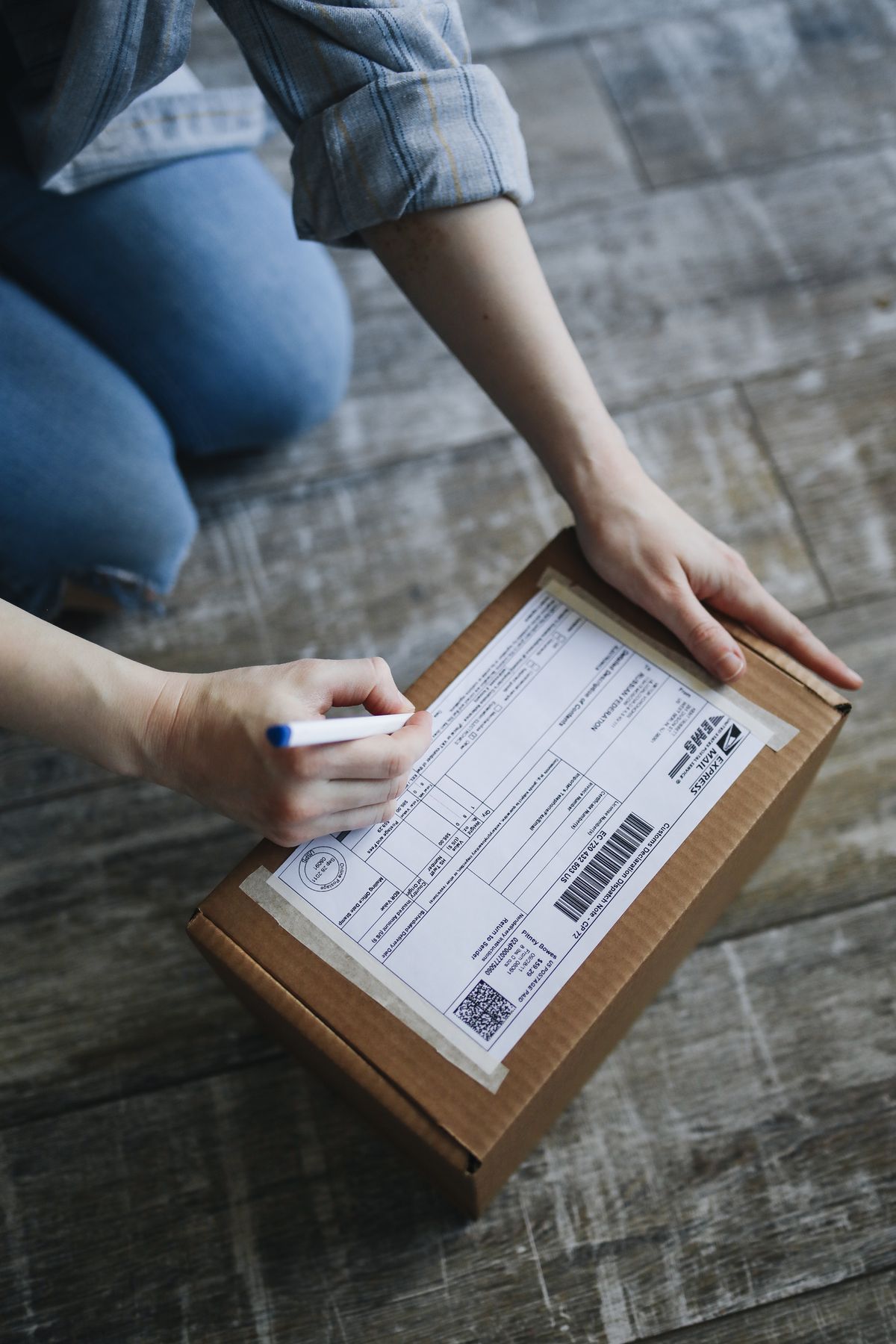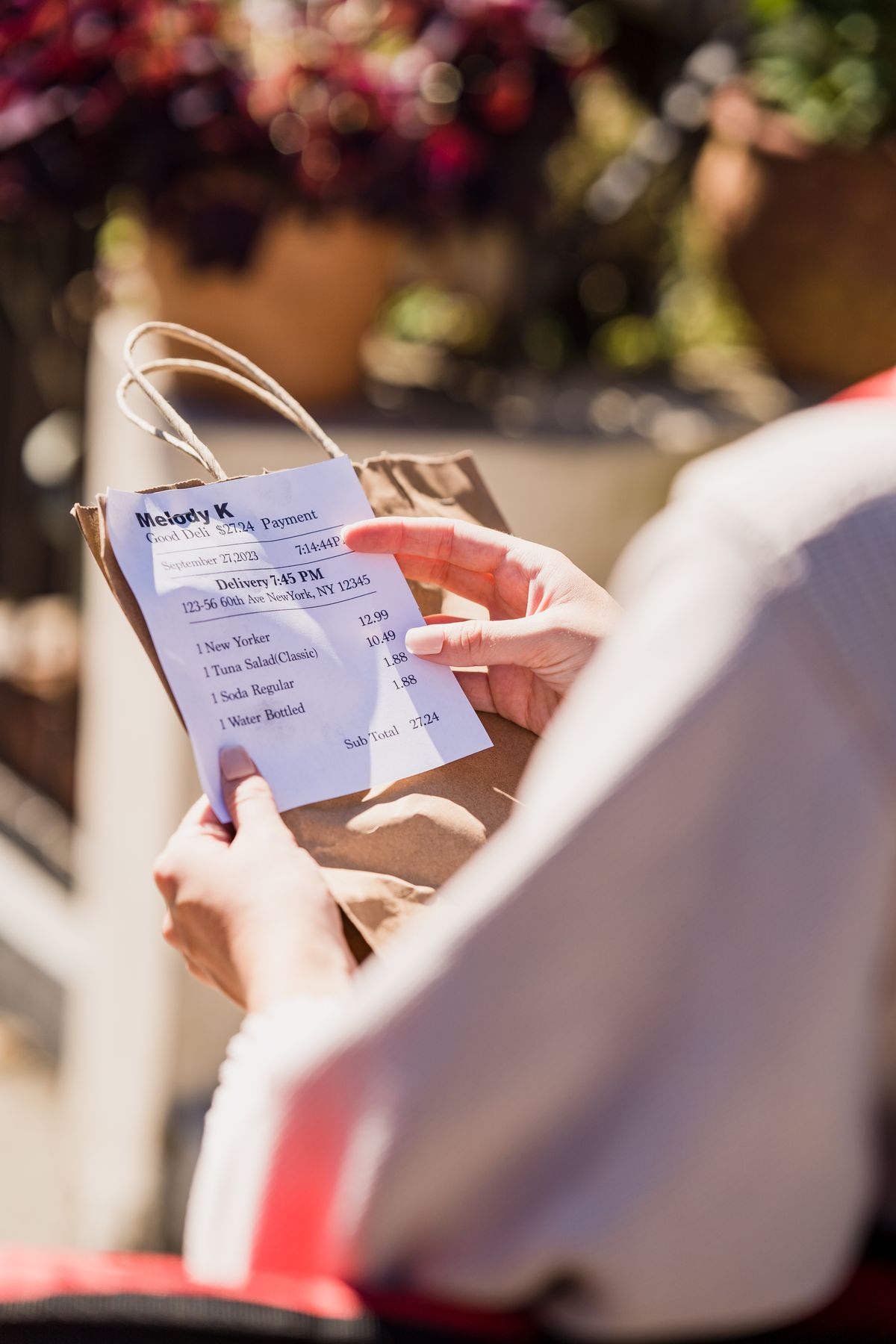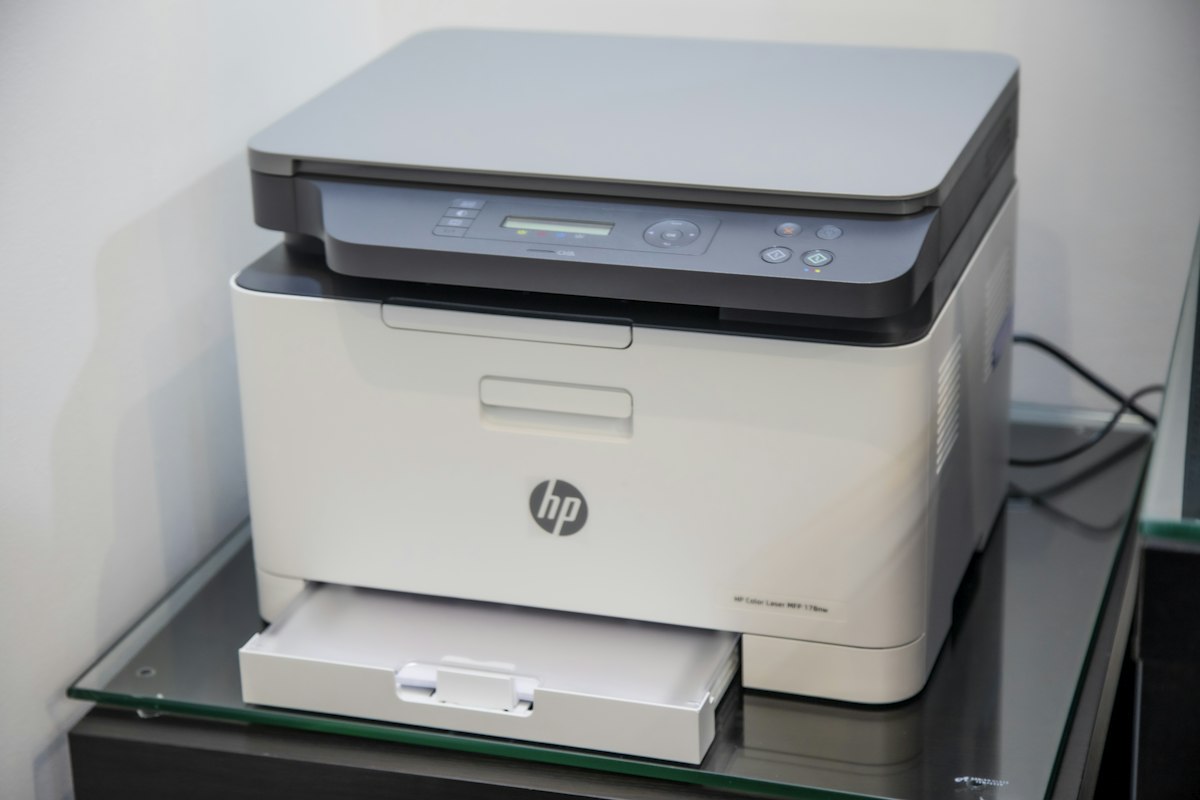
A stack of invoices, a school photograph and a page of shipping labels ask different things of a printer. Before choosing between inkjet and laser, collect examples of what you actually print. Include the awkward pages: the occasional color diagram, the envelope and the document that must look presentable outside your office. A machine that handles your most common work comfortably may still be unsuitable for one essential material.
Count pages, then notice the pattern
A monthly total is useful, but it does not describe the whole workload. Two hundred pages spread across working days differ from two hundred pages printed in one afternoon after several idle weeks. Record the approximate size of a normal job and how long the printer usually sits unused. Include the time spent waiting for the first page, loading paper and changing settings; a headline speed does not cover those interruptions.
Mostly black text makes a monochrome laser worth considering. Photos and varied specialty papers make the capabilities of an inkjet especially relevant. Neither observation settles the purchase. Check the exact machine's accepted media, print quality settings, dimensions and replacement supplies. Some inkjets are designed for office volume, while some small laser printers have limited trays and modest recommended workloads.
Look at the consumables as a system
Cartridge price alone is an incomplete comparison. A laser printer may use a separate drum or other maintenance parts. An inkjet may have a replaceable maintenance box as well as ink. Tank systems can change the relationship between purchase price and refill cost, but a low theoretical cost per page has little value if you rarely use the machine. Find the actual replacement codes and check which parts the owner can replace.
Published page yields provide a common reference under stated test conditions. They are not a promise that your photographs, short jobs or heavily filled pages will achieve the same figure. Keep any running-cost calculation labeled as an estimate. Also distinguish the supplies included in the box from the full replacement size you intend to buy later.
Maintenance has a time cost too. An inkjet needs the shutdown and storage practices specified by its manufacturer; unnecessary cleaning cycles consume ink. A laser still needs suitable paper, unobstructed ventilation and attention to its user-replaceable parts. Neither is a machine that can be treated carelessly because its printing technology sounds simpler.
Bring the decision back to an actual page
If a seller offers sample prints, use a representative file rather than a demonstration image chosen to flatter the equipment. Look at small text, pale chart lines and the paper you plan to use. Decide which shortcomings would affect your work and which you would never notice. For a household that needs color only twice a year, outside printing may be a reasonable companion to a monochrome machine. For regular photographs, that extra journey may be the inconvenience you are buying a printer to avoid.