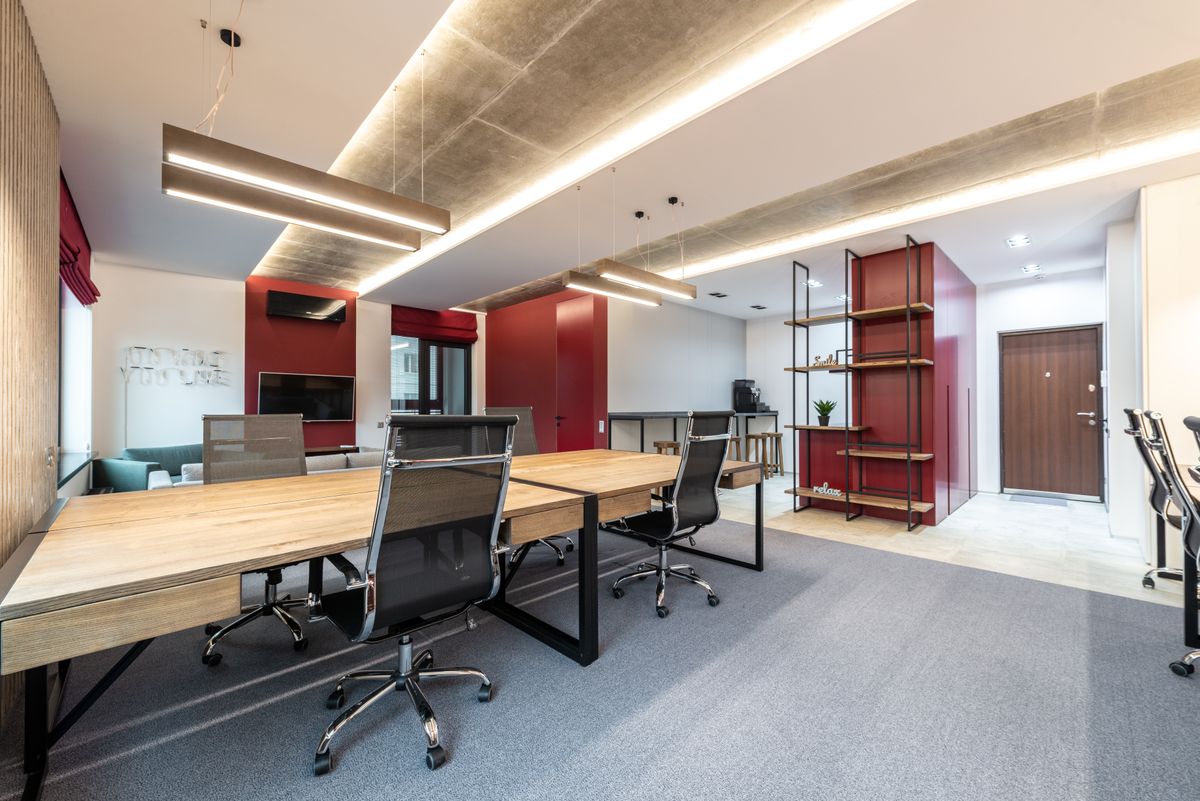
Two desks can fit a room and still make it difficult for two people to work there. One person may spend the morning on calls while the other reads closely or handles confidential documents. The first planning exercise is therefore a conversation about the working day. Compare call times, quiet tasks, equipment and storage before deciding that the desks belong side by side.
Matching furniture is optional. A person who uses a laptop and notebook may need less surface area than someone reviewing drawings or using two screens. Giving both people an identical desk can waste useful space on one side while crowding the other. Aim for equivalent access and comfort rather than identical dimensions.
Plan what happens during a call
Sit in the proposed positions and make a short trial call using the equipment already available. Listen for the other person's voice entering the microphone and check what appears in the camera background. A headset can reduce the amount of call audio played into the room, but it does not make the speaker's own voice disappear. Microphone settings help with some background sound; they are not a substitute for agreed quiet periods.
If calls regularly overlap, a second location for one of them may be more effective than adding a decorative divider. A freestanding screen can interrupt sightlines, but a thin fabric panel should not be treated as soundproofing. Keep any divider stable and avoid blocking ventilation, doors or the path between the desks.
Make shared equipment genuinely shared
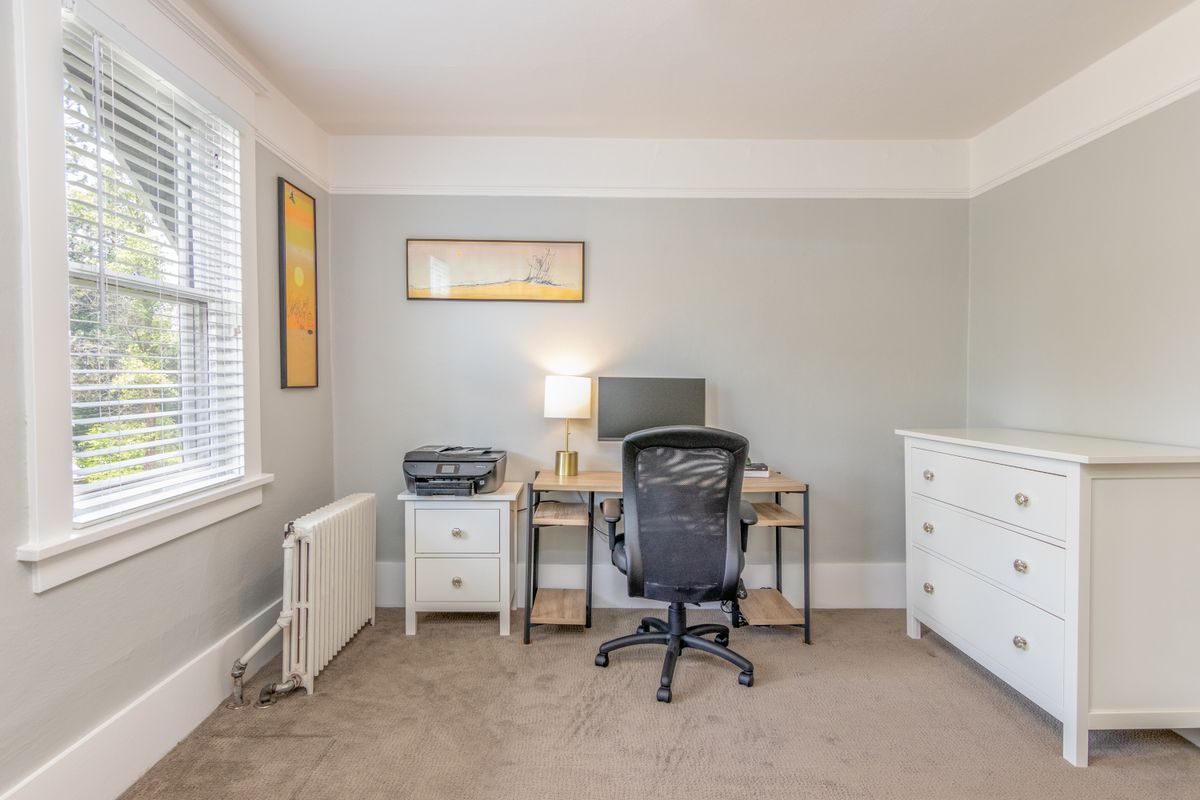
Position the printer, supplies and frequently used files where either person can reach them without leaning across the other's keyboard. A small side cabinet may work better than a printer between two monitors. Leave room to load paper, collect output and open service covers.
Power and network connections should follow the room's edges or a planned furniture route. Do not solve a shortage of outlets by linking power strips together. Check equipment ratings and use products as instructed. When the available supply is inadequate, obtain advice about a suitable permanent solution instead of making the cable arrangement more elaborate.
Personal storage helps avoid daily negotiations. Each person can have a drawer or shelf, with a clearly defined area for shared supplies. Documents containing private information need appropriate secure storage, especially if visitors or other household members use the room.
Finish the layout trial with both people seated. Open drawers, move the chairs and walk to the door. Then agree on a few specific habits: how to signal a call, where incoming mail goes and who refills shared paper. Those small decisions prevent the room from becoming a series of interruptions even when the furniture fits perfectly.