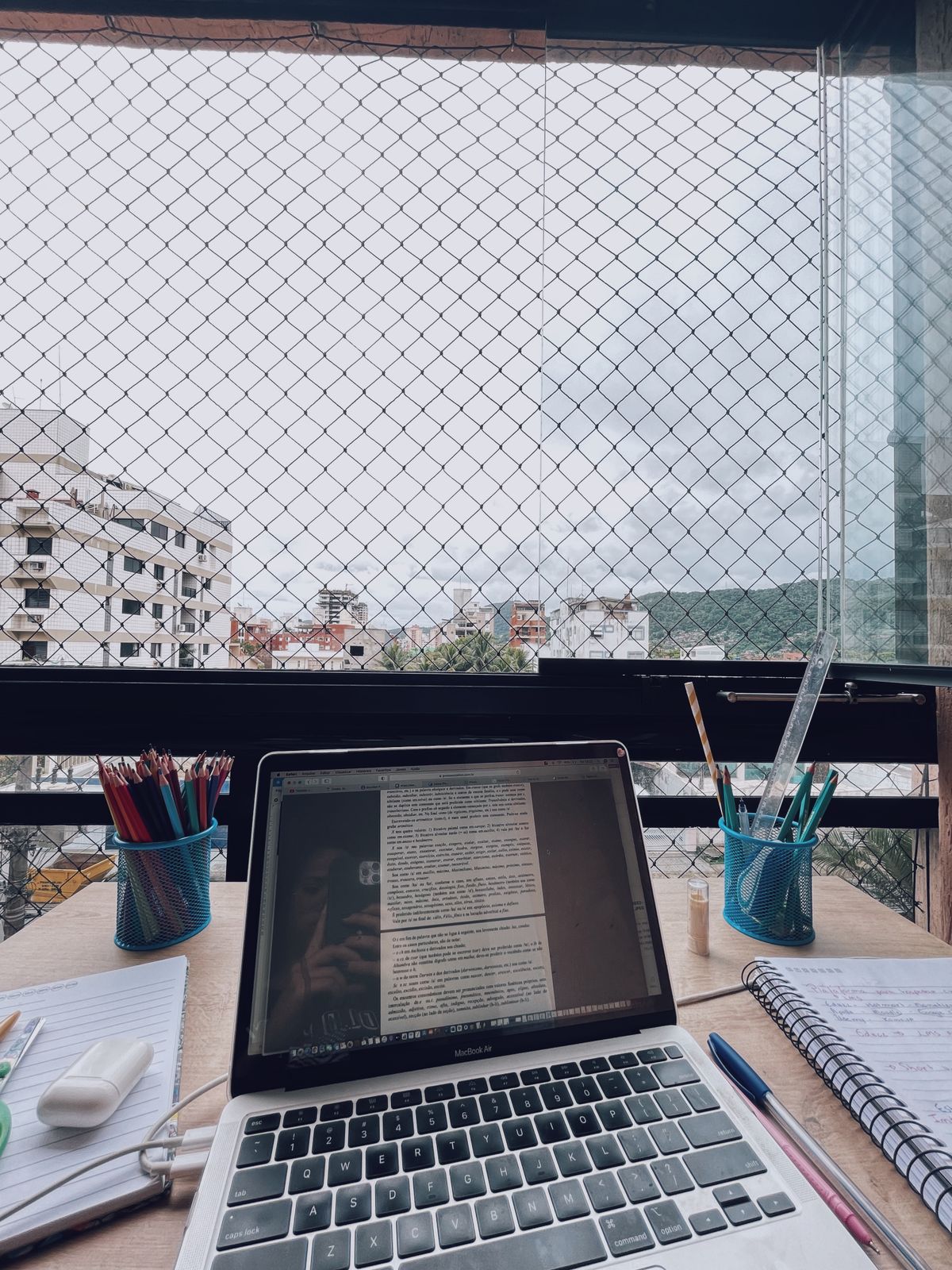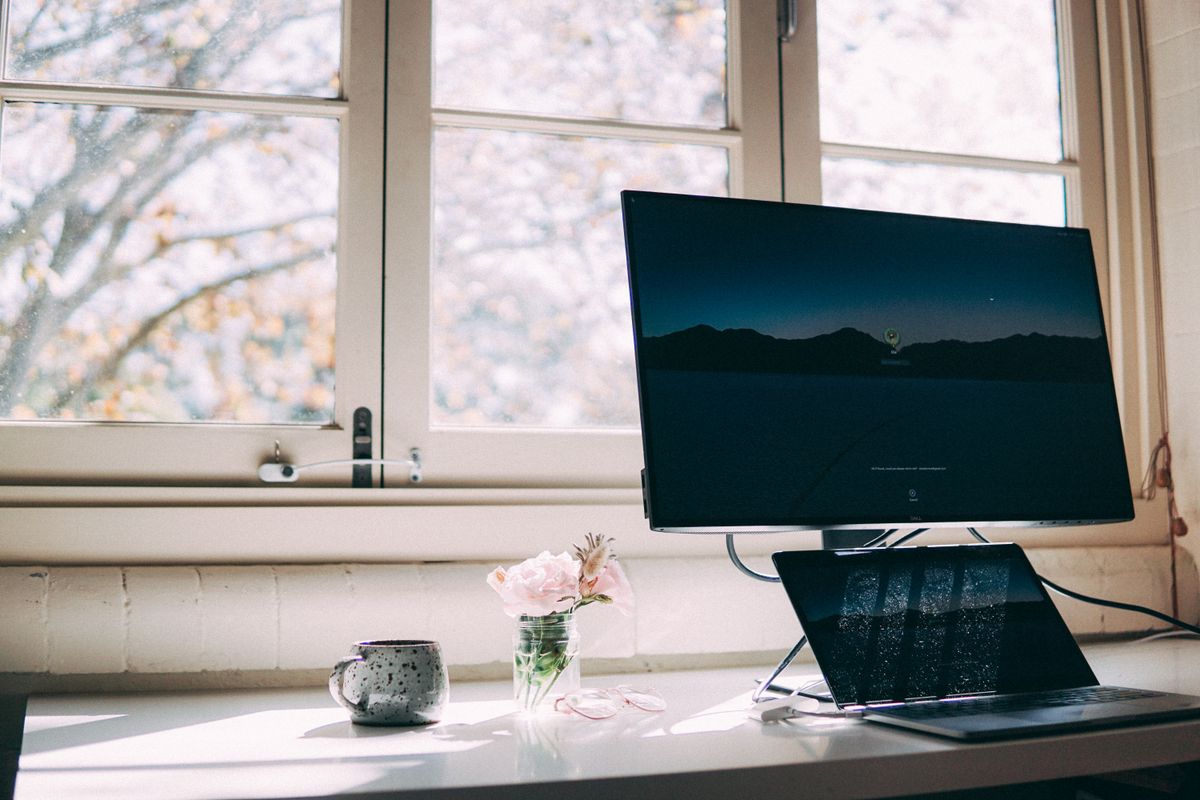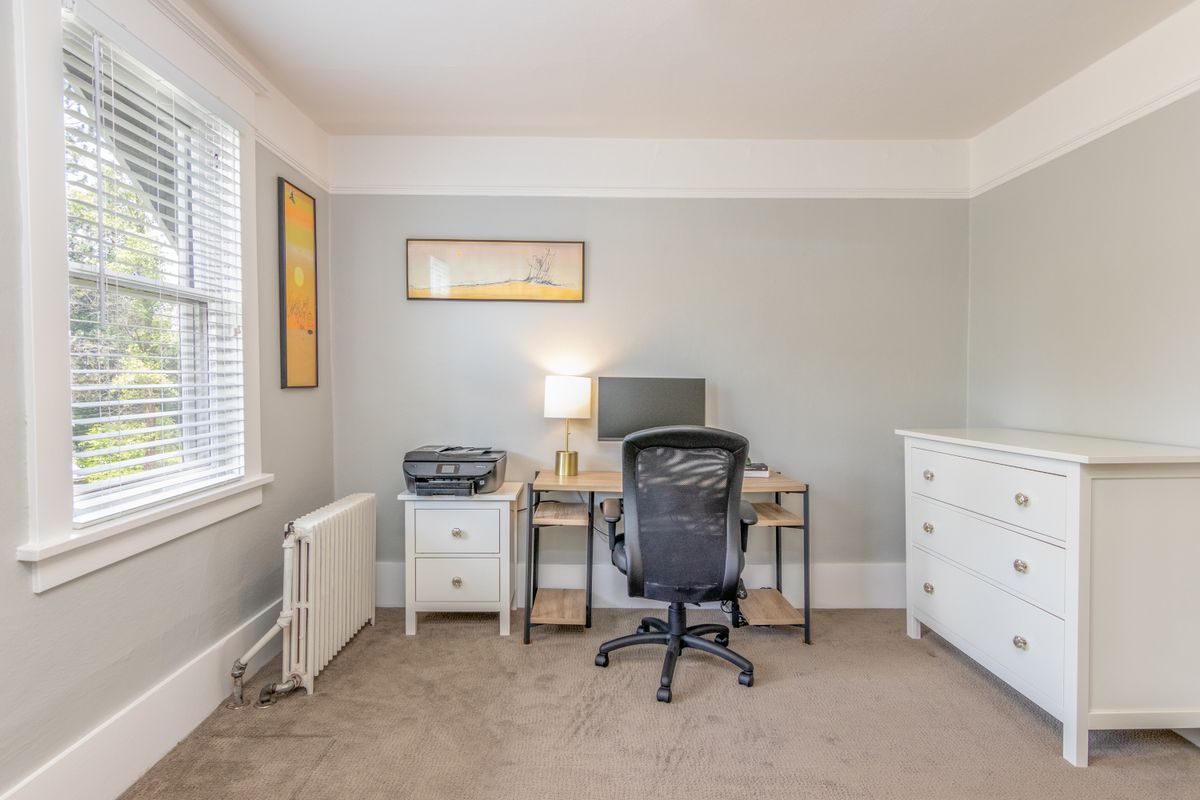
A spare room can spend most of the year serving as an office and still feel usable when guests arrive. The key is to plan the guest arrangement first, including the parts that are hidden on an ordinary workday. Open the sleeper sofa or pull out the trundle bed. Leave room to walk around it, reach a light and put down a bag. A desk that prevents those movements has turned the room into an office with a difficult bed.
Reserve a place for work to disappear
Packing away is much quicker when current work already has a destination. A drawer, lidded file box or separate cabinet can hold papers that should not be left visible. Choose storage that suits the privacy of the material, and lock sensitive documents away where appropriate. Do not assume that closing a laptop also clears the desk of personal information.
Keep the guest's storage genuinely empty. A wardrobe that is technically available but filled with office cartons does not offer much welcome. Even a short rail section and one clear shelf can be more useful than a larger cupboard that must first be reorganized.
Use a small set of accessories that can move together: keyboard, pointing device and charger, for example. Cables that are difficult to unplug or threaded through several pieces of furniture make the conversion slower. Labeling the nonobvious ends can help you rebuild the work setup after the visit without guessing which power adapter belongs to which device.
Check the room in its guest configuration
Once the bed is open, look for cables crossing the route to the door and furniture corners beside the sleeping area. Keep access to windows and required exits clear. A chair pushed against a cabinet may still prevent the cabinet from opening, so test the room rather than simply moving everything to its edges.
The office lamp may illuminate a keyboard well but be awkward to operate from bed. A separate, reachable reading light is often more useful than expecting a guest to cross the room to switch off a bright ceiling fixture. Keep any equipment ventilation unobstructed when covering or storing devices.
The final preparation need not be elaborate. Clear the desktop, secure work materials, remove charging cables that guests do not need and provide the promised storage space. If that routine takes an entire afternoon, reduce the amount of office equipment living in the room or reconsider its permanent placement.
It is also reasonable to establish that the room is unavailable for work during a visit. A portable kit for essential tasks elsewhere prevents the arrangement from relying on guests vacating their room whenever a meeting starts.