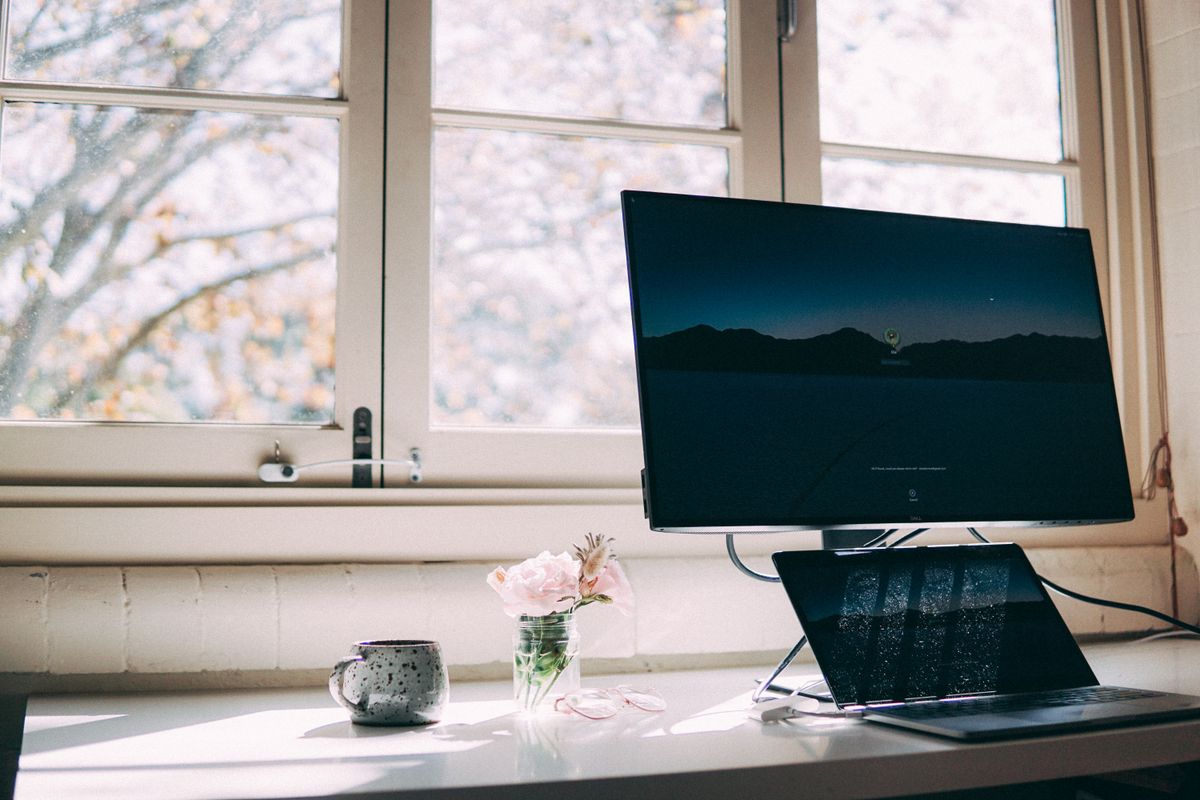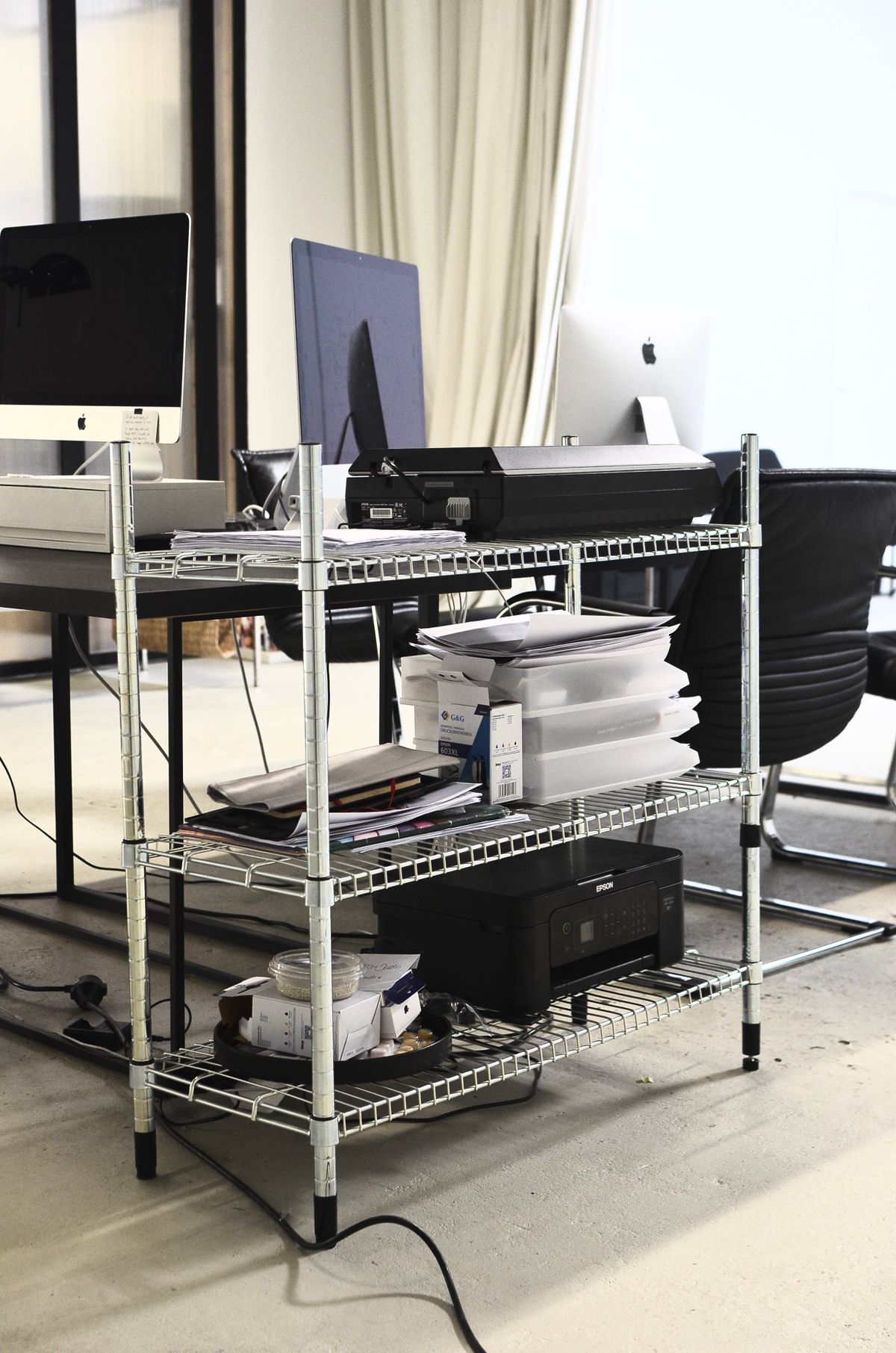
A laptop is portable; the rest of a comfortable work setup can be less cooperative. The charger lives behind a cabinet, the mouse appears under a pile of mail, and the stand never fits in the drawer. A pack-away station needs to be planned as a small kit, with a storage place as specific as the place where you sit.
Lay out the things used during a normal session. Separate essentials from accessories that happen to be nearby. A laptop, charger, compact keyboard, pointing device and stand may be enough for sustained typing. A short session of reading may need fewer pieces. There is little benefit in carrying a complete desk inventory between rooms every day.
Store the kit in the order you use it
Give the laptop a protected compartment or sleeve, especially if it travels alongside a metal stand or plug. Keep loose accessories from pressing into the screen. A rigid box or divided drawer can organize the remaining parts without forcing the computer into the same container.
Cables are easiest to reuse when they are loosely gathered and identifiable. Avoid tight bends near plugs, and do not wrap a cable so firmly around its adapter that the connection is strained. Leave a little separation between cables that look alike but have different purposes. If two chargers are not interchangeable, label them rather than relying on memory.
The setup location still matters. The surface must support the equipment steadily, the chair must suit the height, and the power route must remain clear of walking areas. Raising a laptop screen usually calls for a separate keyboard and mouse so that viewing and typing positions can be adjusted independently. A portable arrangement should not mean balancing a computer on an unstable pile.
Rehearse a complete changeover
Set up the station, connect what is needed and open a familiar document. Check the cable lengths with the devices in their working positions. Then close the session and put everything away. Notice the steps that require moving unrelated objects or reaching behind furniture.
For example, a charger stored beside the kit may make more sense than one permanently trapped behind the sofa. Conversely, a safely positioned power adapter that serves the same location every day may be better left there. The useful choice is whichever avoids repeated strain on plugs and unnecessary handling.
Let equipment cool as its manufacturer directs before enclosing it in a bag or box; do not pack a running laptop into a tightly insulated space. Save work and use the appropriate sleep or shutdown state for the journey.
A good pack-away station is ready without being spread out. When the storage container closes easily and every essential part has a predictable place, reclaiming the table no longer feels like dismantling an office.