Mail arrives, a receipt comes out of a bag, and someone hands over a form that needs a signature. None of these belongs in an archive yet, but leaving them beside the keyboard makes the desk a holding area for everything unresolved. A dedicated landing place keeps incoming paper together while it waits for a decision.
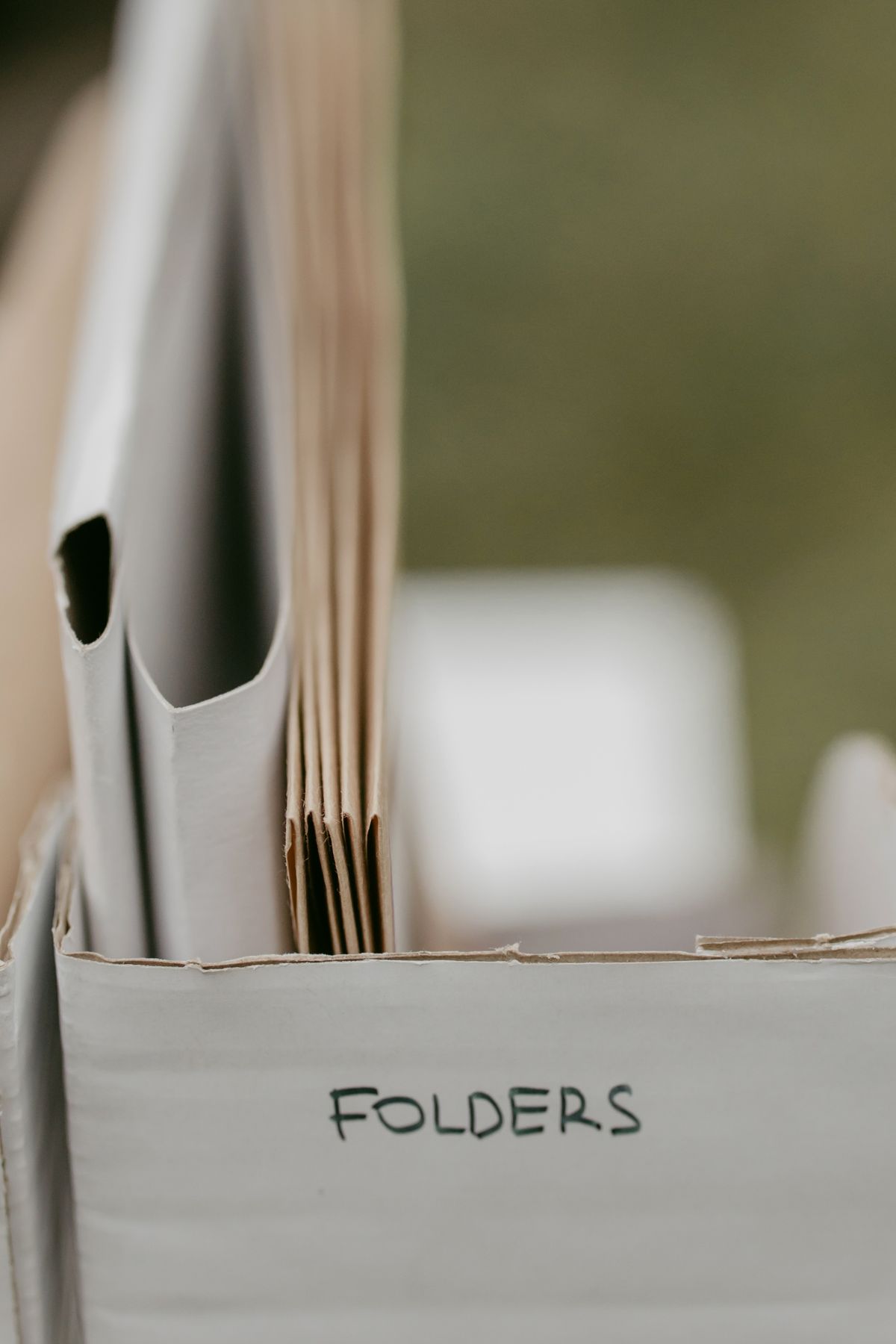
The container can be modest: a tray, a vertical file or a folder in an accessible drawer. Choose something that accepts a full sheet without folding it and lets you see that material is waiting. Its job is temporary holding. Once it becomes permanent storage, the distinction between new and forgotten paper disappears.
Sort by the next action
A complicated color system is unnecessary if the real choices are read, respond, file or discard. Open mail when you place it in the tray, removing envelopes and advertising inserts that do not need to remain. Keep documents with their related attachments rather than scattering a letter, return envelope and reference number across separate piles.
For something that requires a response, record the task and its deadline in the system you already use. The tray should not be the only reminder to pay a bill or return a form. A visible document can become invisible through familiarity, especially under the next delivery.
A separate folder for active work can help when one project contains several papers. That folder is different from the incoming tray: the contents have been reviewed and belong to an identified task. Give it a name that will still mean something after the project has been quiet for a week.
Keep private paper out of public view
In a shared room, a closed folder or drawer may be more suitable than an open tray. Choose storage according to the sensitivity of the contents. A label such as personal paperwork is often enough for a container that other household members can see; detailed account information does not need to appear on its edge.
Review the landing area at a frequency that matches the amount of paper arriving. A person receiving a handful of letters each week needs a different routine from a small office receiving daily deliveries. What matters is that papers move onward before the container overflows.
Do not use the tray's size to decide how long documents must be retained. Keep required records according to the relevant personal, business or legal requirements, and use an appropriate disposal method for sensitive material.
The easiest sign that the system works is an ordinary one: when asked where the form is, you know whether it is waiting to be handled, part of an active task or filed away. The paper has a place because its status has a place.