The useful background is the one that still works five minutes before a call. A heavily styled shelf can look attractive once, then become another area that needs constant attention. Start with the actual camera view at your normal seat. The camera may show much less of the room than expected, or it may reveal a doorway that seemed safely out of frame.
Open the preview in the application you use for calls. Check the frame with the chair in a natural working position. Avoid arranging the entire room around a close-up view that changes as soon as you lean back or stand up.
Remove information before adding decoration
Look for mail labels, calendars, account details, whiteboards and screens behind you. These deserve attention before plants or artwork. A slightly blurred background does not reliably conceal every detail, and software effects can briefly reveal areas when you move. Physically moving private information out of view is more dependable.
Consider the route other people take through the room. A door immediately behind the chair can bring household activity into the call even when the visible area is otherwise tidy. Turning the desk or using another seat may provide a more predictable frame. If using a freestanding screen, place it securely and keep exits, ventilation and walkways clear.
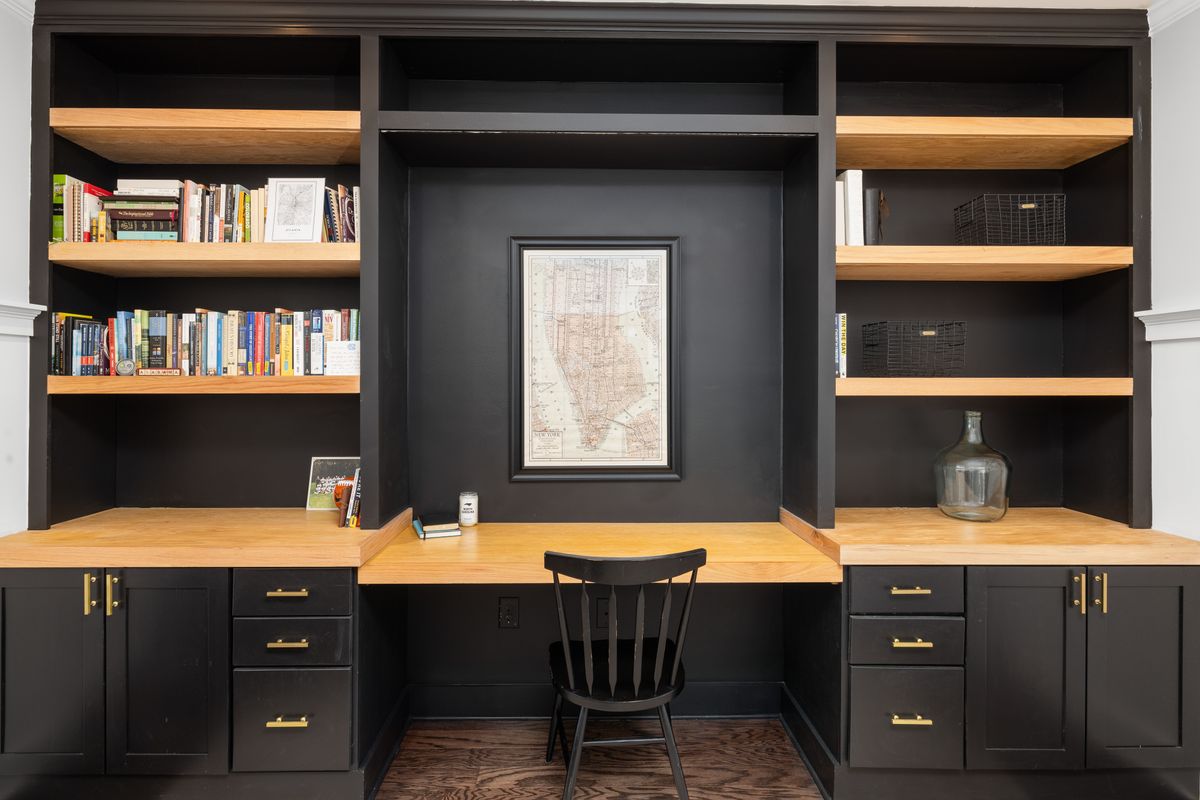
A simple background can still have texture: a plain wall, a closed cabinet or a small section of books. Leave enough clear space that one misplaced item does not dominate the picture. Avoid building a display so delicate that ordinary cleaning becomes a rearrangement project.
Check the light on the person
A bright window behind you can leave your face comparatively dark. Try positioning daylight or a suitable lamp in front of you or slightly to the side, while avoiding an exposed light source shining into your eyes. The same arrangement should still allow you to read the screen without troublesome reflections.
Use a short test recording or a call with someone willing to check the result. Camera previews are sometimes mirrored, so readable text or a logo may appear differently to other participants. Check sound at the same time; a good-looking background does not address an echoing room or a noisy fan.
Keep the maintenance routine small. Clear the visible surface, close the relevant door and confirm that no private document has entered the frame. A permanent place for incoming paper is often more helpful than another decorative object. The background then becomes a quiet part of the room, ready whenever the next call begins.