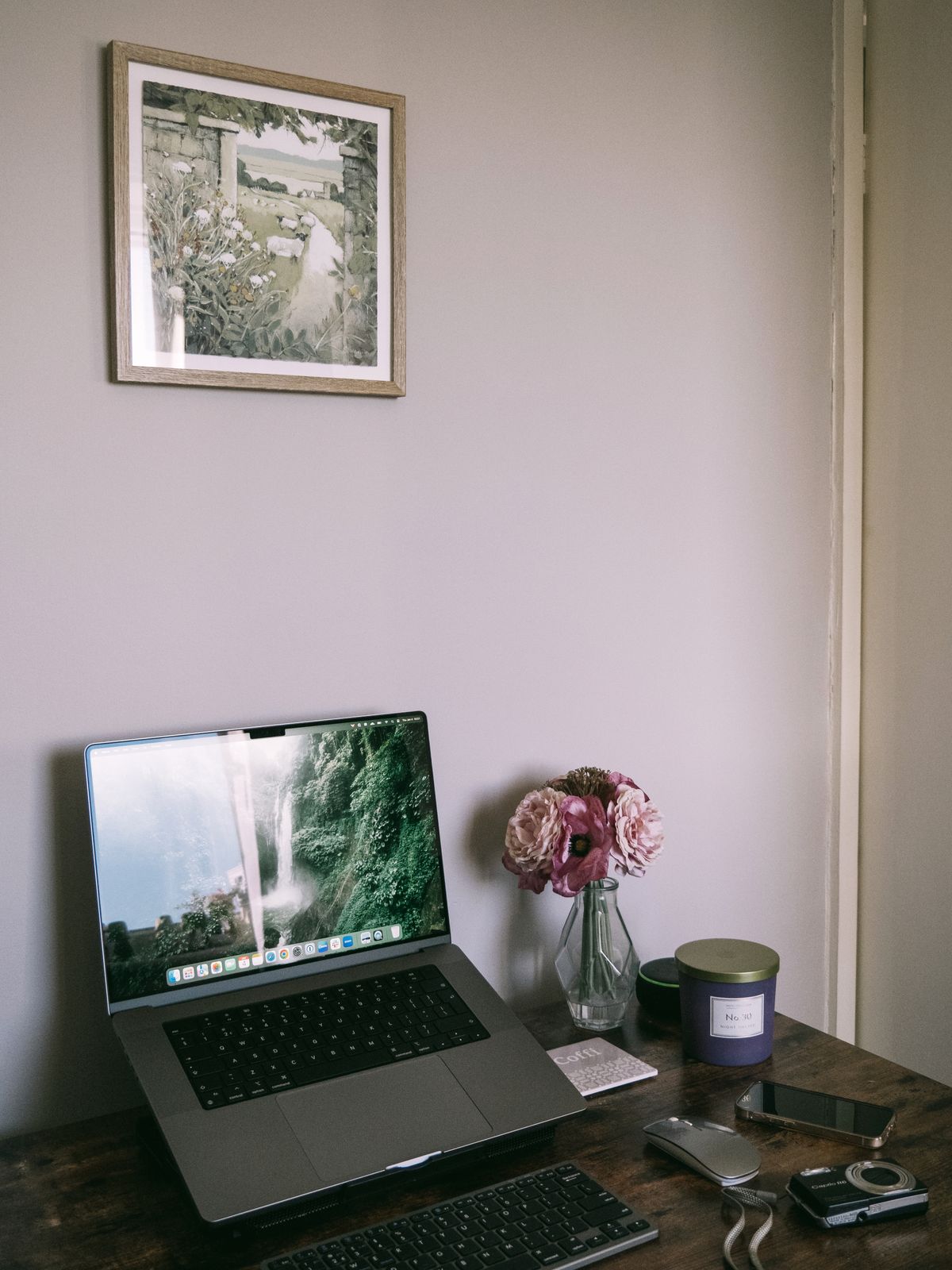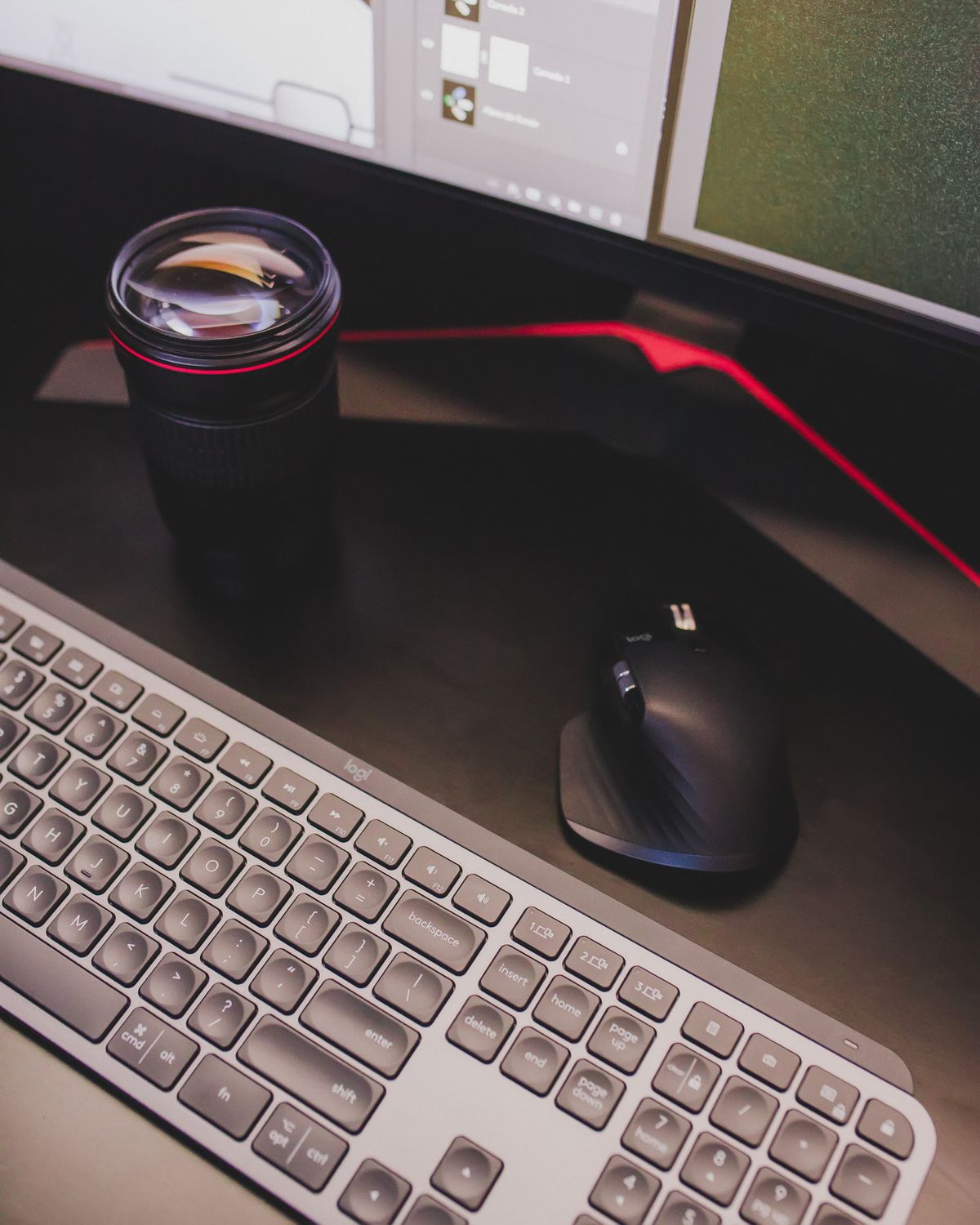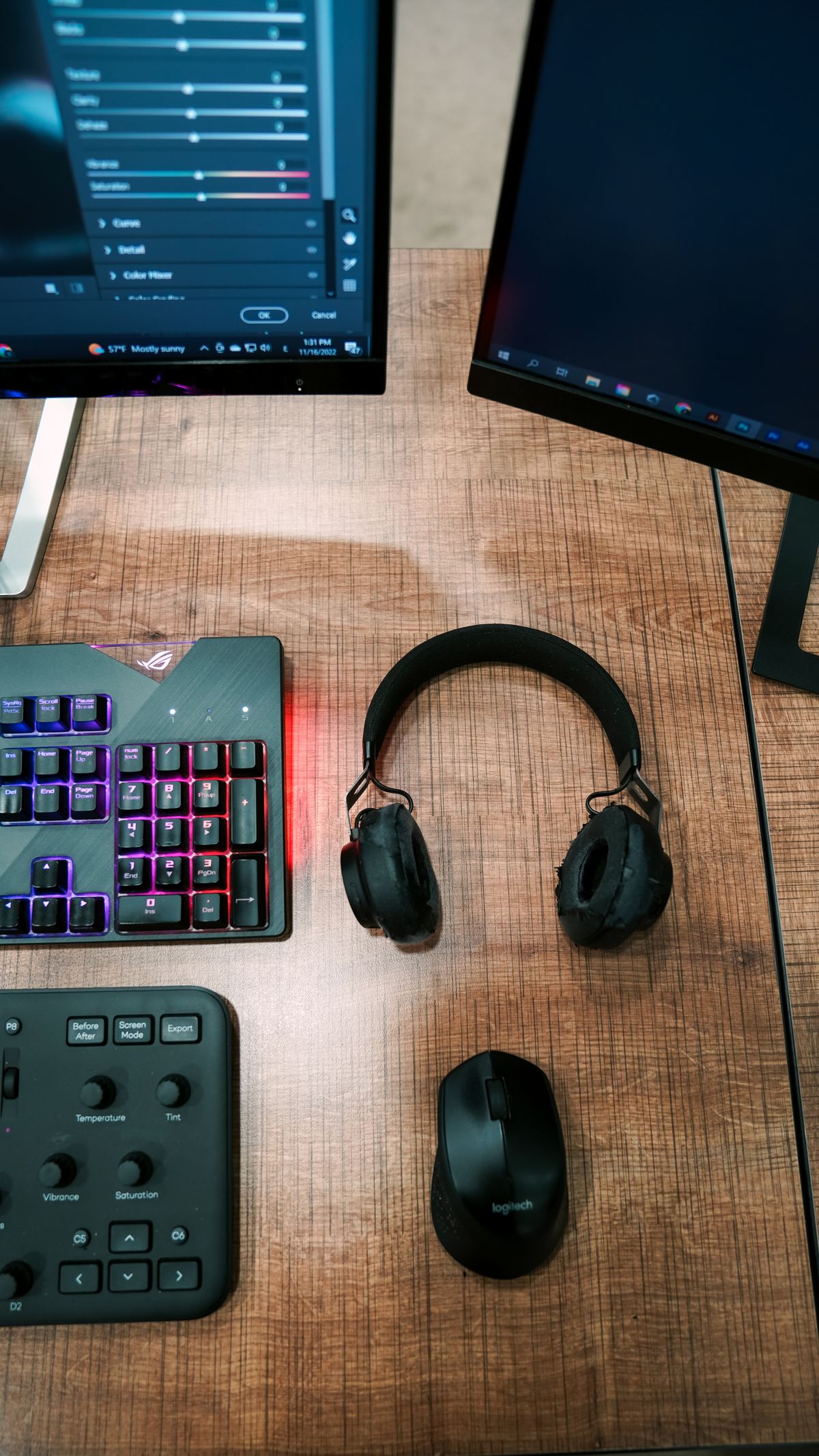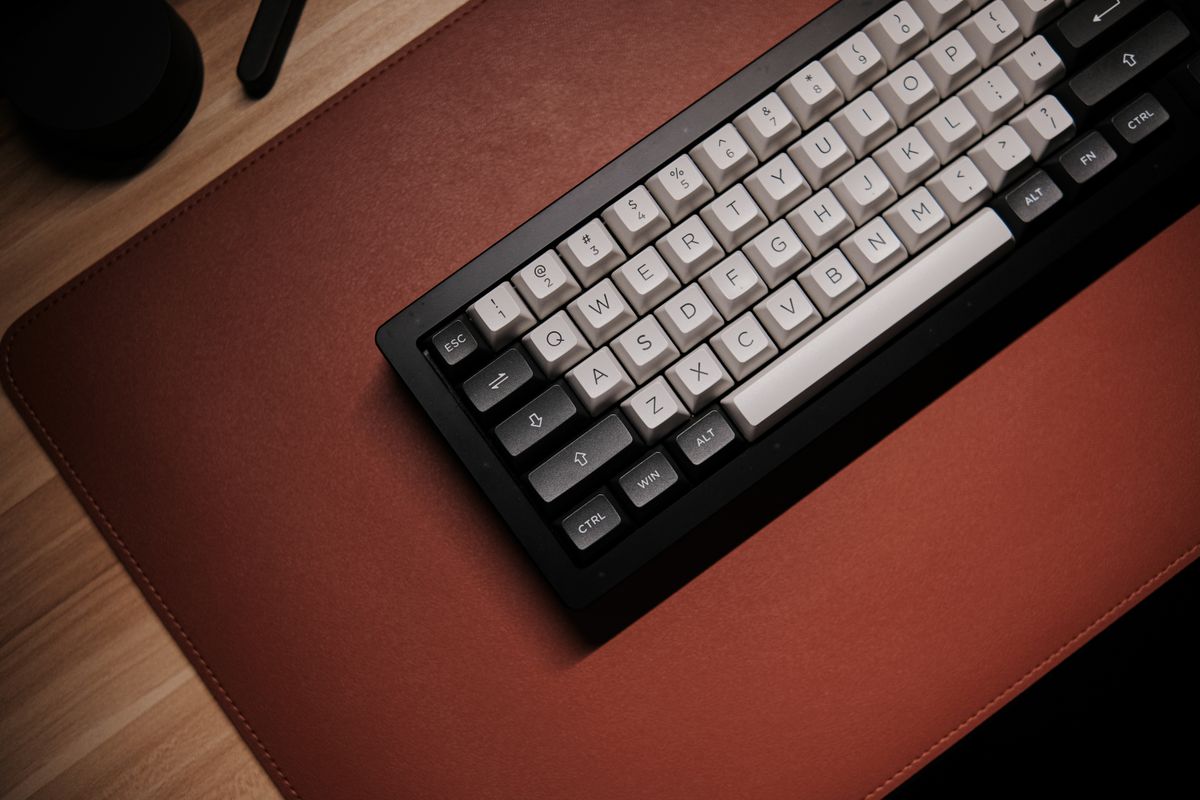
The numeric keypad is useful when entering columns of figures. It is less useful when it pushes the mouse farther to the side during a day spent editing text. That is the central tradeoff between a full-size keyboard and a more compact layout: the keys you gain occupy space that something else might use.
Keep track of ordinary tasks for a few days. Do you enter long strings of numbers, use Home and End repeatedly, or navigate spreadsheets with dedicated keys? A compact layout can preserve many functions through combinations, but a combination used once a month feels different from one repeated every few minutes.
Compact does not describe one layout
Some smaller keyboards remove only the numeric keypad. Others compress navigation keys, combine arrow functions or place punctuation in unfamiliar positions. Look at a clear photograph of the exact layout, including the version sold for your region. Product families can have different key arrangements under very similar names.
Check the operating-system labels and behavior too. A keyboard may work for basic typing across several systems while assigning shortcuts differently. If custom software is needed to remap keys, make sure it is supported and permitted on the computer you use.
Give the mouse a fair share of the desk
Place the keyboard so the main typing area is in a useful position in front of you, then set the mouse beside it. With a full-size board, the keyboard's physical midpoint may not align with the midpoint of the letter keys. That distinction becomes obvious on a narrow surface.
A separate numeric keypad is an alternative for occasional figure entry. It can be brought forward for that task and put away afterward. It also adds another object and connection to manage, so it is not automatically the better solution for someone who uses a keypad throughout the day.
Key feel is easier to judge in person
Travel, spacing, resistance and sound all affect the experience, but marketing labels do not reliably describe personal preference. If possible, type a paragraph with punctuation and edit it using your normal shortcuts. Notice whether the board slides, whether its front edge is intrusive and whether the sound would be acceptable in a shared room.
Keep the decision tied to the work. A familiar inexpensive layout that fits the desk may be more useful than a smaller keyboard that turns frequent actions into a search for hidden combinations. The right size is the one that gives both your hands and your regular tasks enough room.