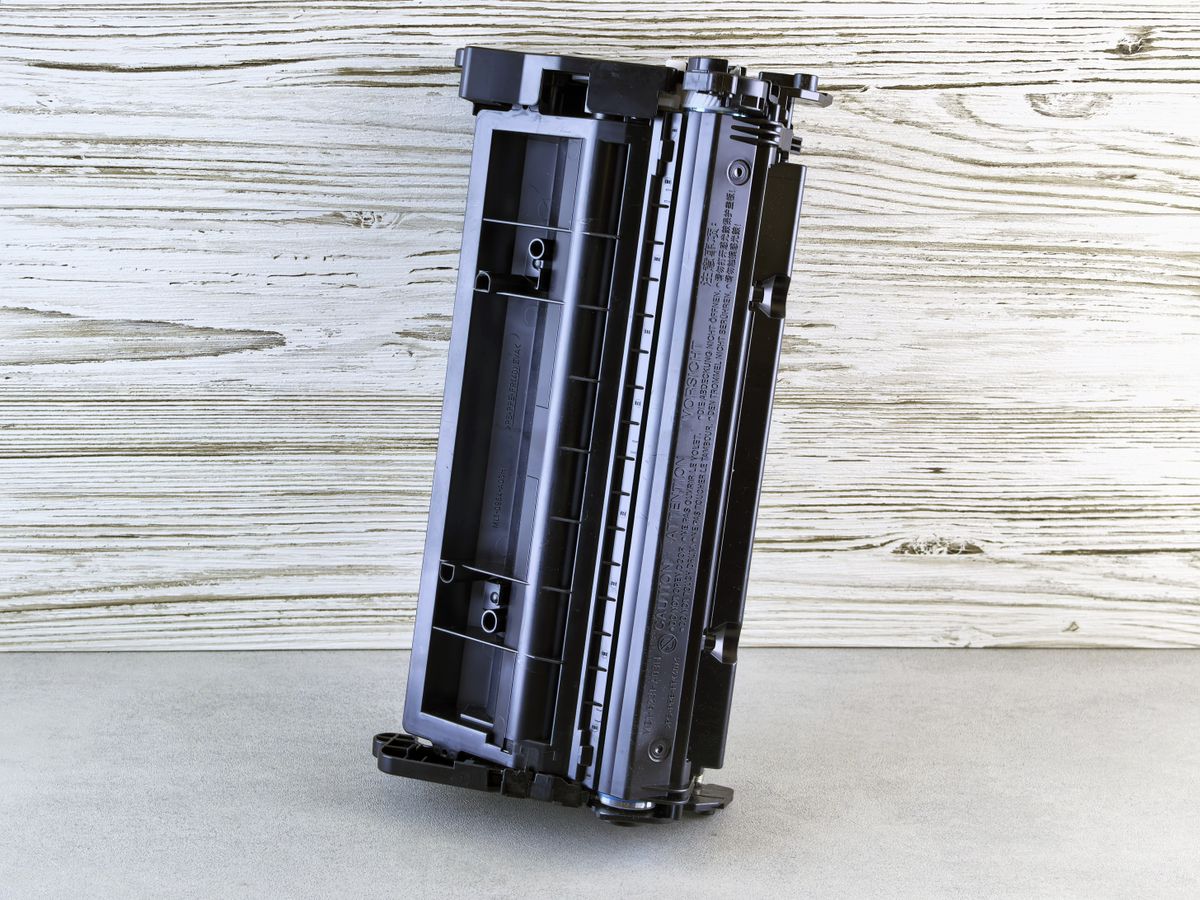
A spare cartridge is useful when it matches the printer and remains in suitable condition until needed. A box with a nearly identical code or a supply that has spent years in a hot cupboard is a less reliable reserve. Good storage begins with knowing exactly what is on the shelf.
Record the full cartridge code, color and compatible model when you buy it. Similar product names can hide regional, capacity or series differences. Keep the original label readable and retain the purchase record. If several printers share a cupboard, separate their supplies so a hurried replacement does not begin with opening the wrong package.
Leave the protective packaging intact
Keep an unused cartridge in its original sealed packaging until installation, following the manufacturer's storage guidance. That packaging can protect against light, dust and environmental changes. Removing seals early to check the contents may expose sensitive parts or change the way the supply is preserved. Do not touch contacts, nozzles or drum surfaces to inspect them.
Storage orientation can matter, particularly for toner assemblies and liquid supplies. Follow the markings and the exact instructions rather than assuming every cartridge can stand on end. Use the stated temperature and humidity limits. A car trunk, a damp garage or a shelf beside a radiator is not equivalent to a controlled office cupboard.
Keep the stock small enough to understand
Use older compatible stock first where it remains within the supplier's guidance, and keep dates visible. A large discount is not necessarily a saving if the printer is likely to be replaced before the supplies are used. One identifiable reserve can be more useful than several open boxes whose age and condition nobody remembers.
Treat a cartridge removed from a printer differently from a new sealed spare. The manufacturer's temporary-storage instructions may require its original protective container or a particular position. Do not reapply removed sealing tape to an ink nozzle or improvise a wet cloth around a cartridge. If storage advice is unavailable, ask support before leaving the supply exposed.
When replacement time arrives, check the package condition and follow the installation sequence. Keep the protective materials needed for a return or recycling program, and label the old supply so it cannot be mistaken for a new one. A supply cupboard works best when anyone can tell at a glance what fits, what is unused and what is ready to leave.