The best-looking used box is not always the strongest. A carton can retain a clean printed surface while its corners are soft, its seams are split or its base has been weakened by moisture. Reuse starts with inspection, not with finding a place for another layer of tape.
Open the box fully and examine the inside as well as the outside. Look for crushed edges, tears around handholds, punctures, stains and a bottom that no longer lies square. If the box has lost its shape, choose another. A fresh strip of tape cannot restore cardboard that has become soft or separated.
Check the fit for the new contents. A box that was right for a light, bulky item may be unsuitable for a compact heavy one. Leave room for appropriate protection without making the package so large that the contents need excessive filler. Any cushioning you reuse should be clean and capable of doing the job again; flattened or damaged material may have little protection left to offer.
Make the new journey unambiguous
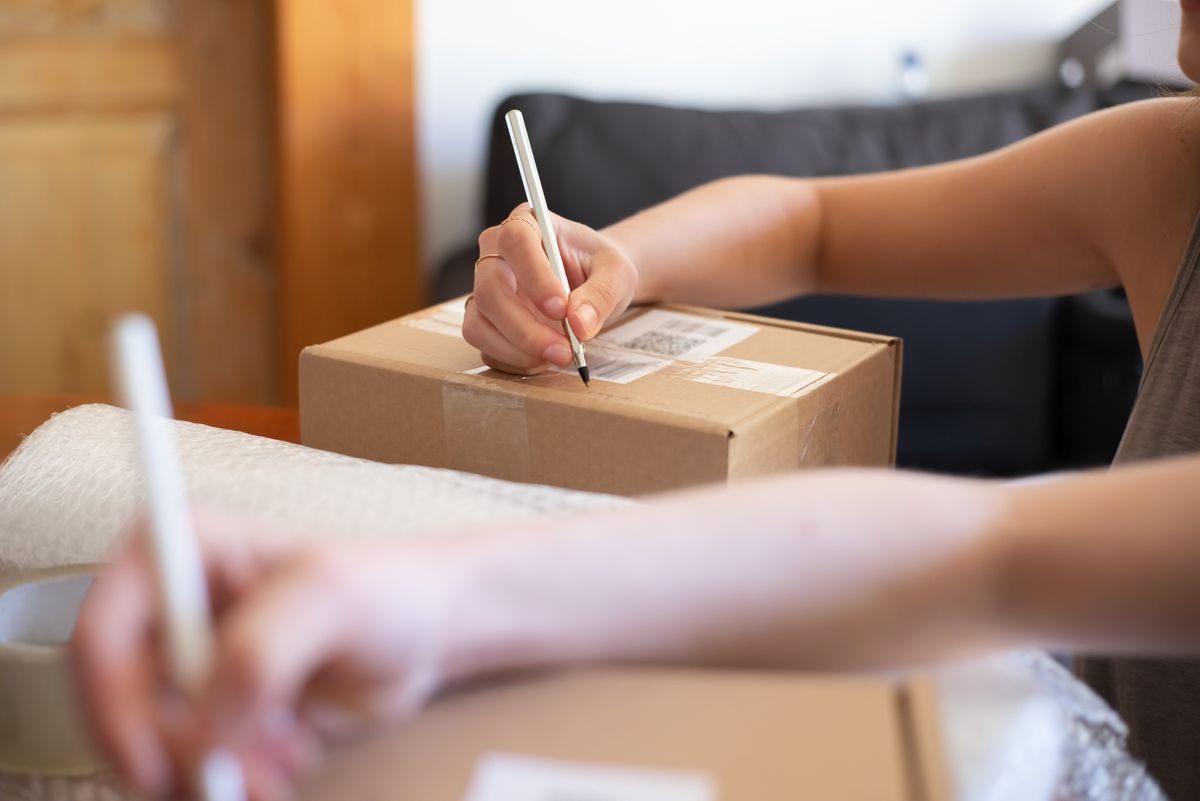
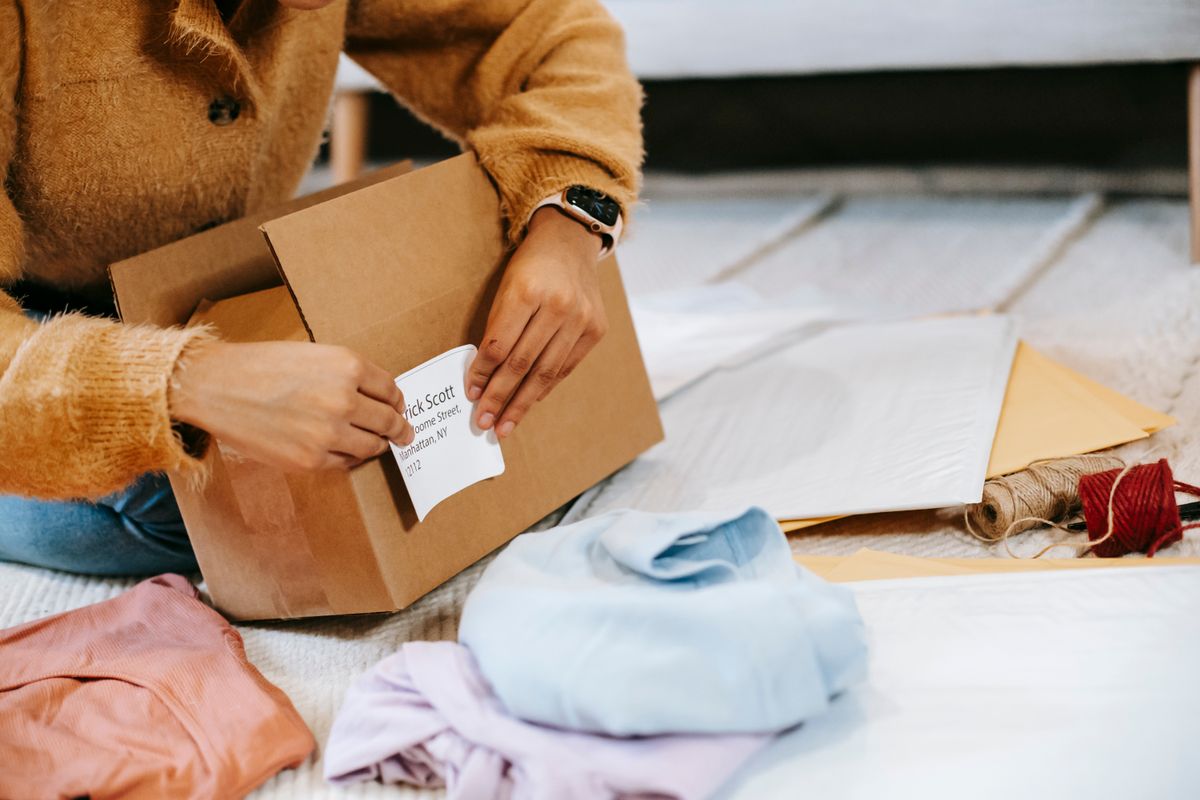
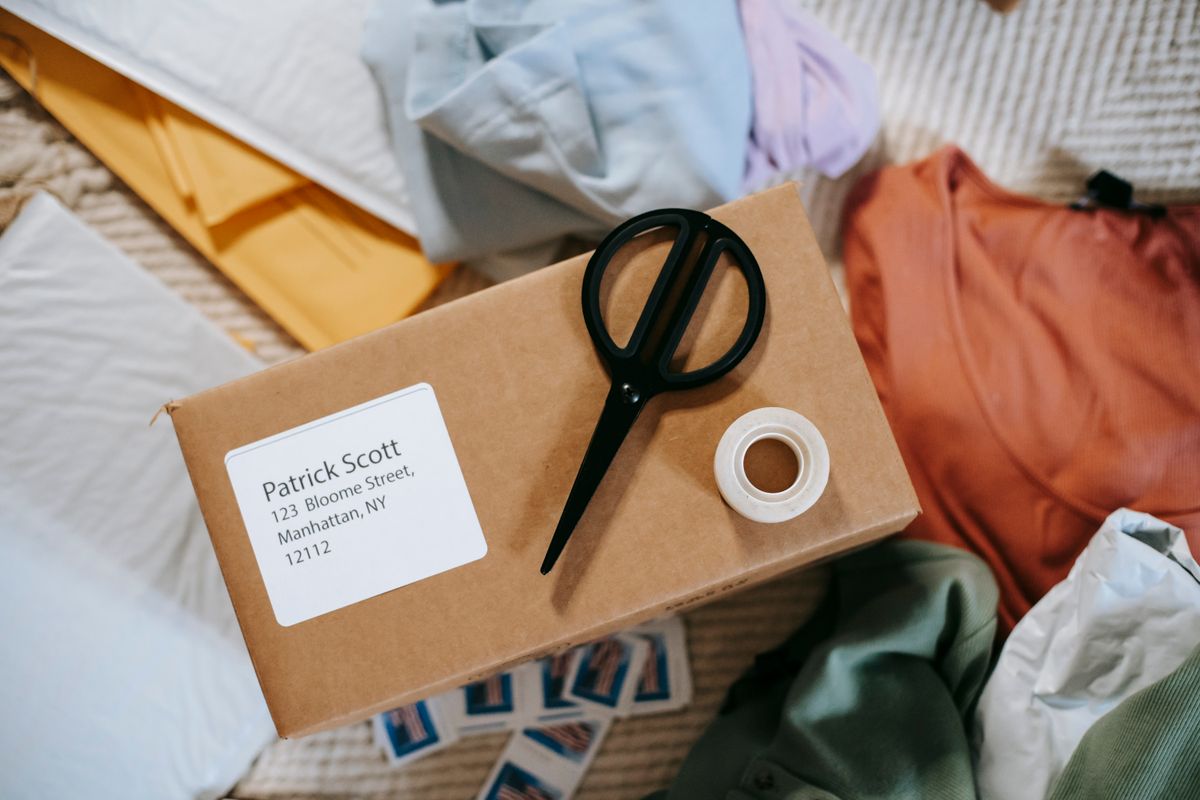
Remove or fully obscure old addresses, shipping labels and barcodes as required by the carrier. Check every face, including the bottom. Leaving an earlier tracking label visible creates an avoidable source of confusion even when the new label is larger or more prominent.
Carrier-branded packaging can carry service restrictions. Do not assume that turning a box inside out or covering its markings makes it suitable for a different service. Use the carrier's current rules for that packaging. Similarly, a parcel that once held a regulated item may have markings or conditions that make it a poor choice for an unrelated shipment.
Purpose-made reusable mailers sometimes have a second sealing strip. Inspect it before relying on it, and follow the maker's instructions for the return journey. An adhesive strip that is dirty, partly exposed or damaged should not be treated as fresh. Ordinary mailers may be too torn at the opening to close securely a second time.
Keep the reusable supply small
Flatten sound empty boxes when their design allows it and store them dry. Separate those ready to use from items awaiting a decision. A cupboard full of questionable packaging makes it harder to find the few useful pieces and encourages keeping sizes that never suit your mailings.
Before the next parcel leaves, check the package as a whole: sound enclosure, suitable protection, secure closure and one clear destination. Reuse is successful when the item arrives properly protected. The fact that a box has already survived one trip does not guarantee the next one.