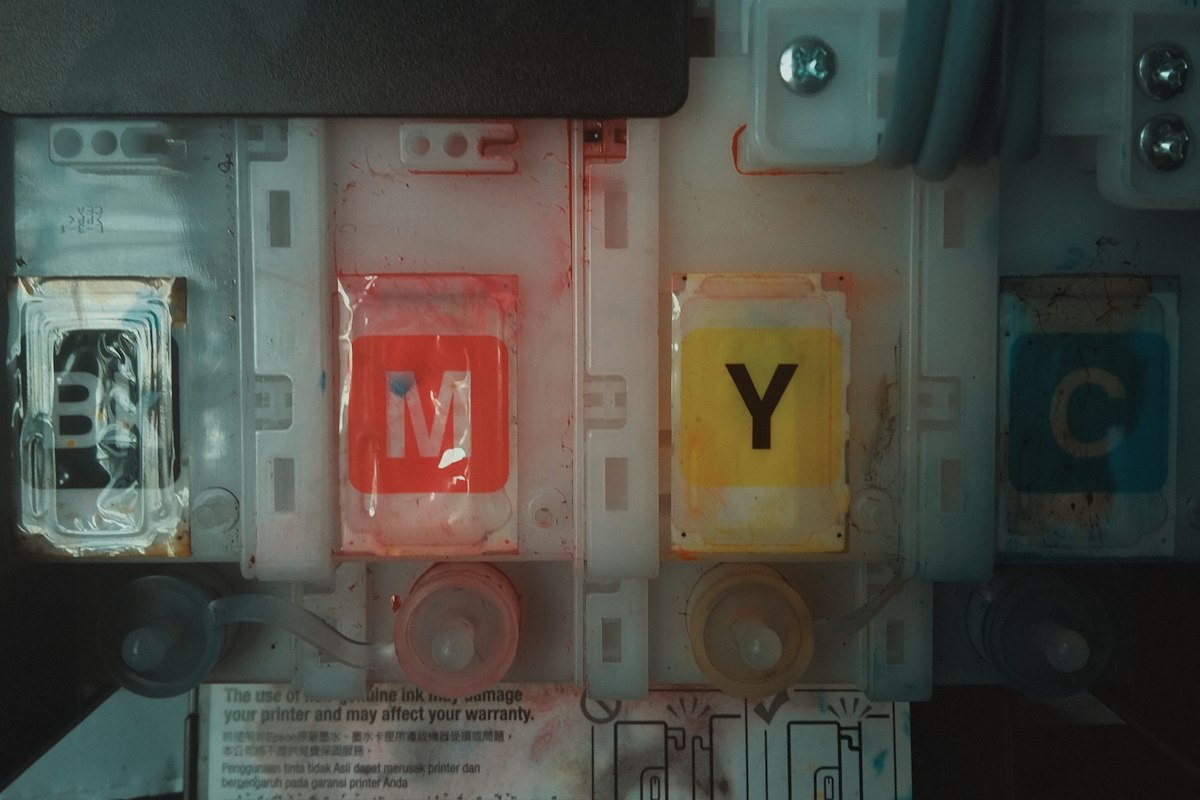
A lower cartridge price is easy to compare. The cost of a rejected cartridge ten minutes before a deadline is harder to put in a shopping basket. That does not mean every office should buy the same type of supply. It means the decision needs to reflect the printer, the documents and the consequences of an interruption.
An original cartridge is sold under the printer manufacturer's brand. A compatible cartridge is made by another supplier for specified printers; a remanufactured cartridge generally reuses a previously used cartridge body that has been processed and refilled. Sellers may use these terms differently, so read the description and find out what is actually being supplied.
Confirm acceptance before comparing yield
Start with the exact printer model, including its suffix, and the complete cartridge reference. Some machines have cartridge recognition or security features that restrict what they accept. Firmware, regional versions and subscription arrangements can also matter. A seller's broad phrase such as 'works with this series' is less useful than a clear compatibility statement for your actual model and circumstances.
HP, for example, documents dynamic security on certain printers that can block cartridges with non-HP chips or modified circuitry. That is a model-specific issue, not proof that all third-party cartridges work or fail in every printer. Check the manufacturer's current information and the supplier's response to it. Do not disable security updates simply because an unidentified seller suggests that as the easiest solution.
Ask what happens if the printer will not recognize the cartridge. A useful return policy states who handles the problem, what evidence is required and whether opened cartridges are covered. Keep the invoice and packaging until the replacement is working. The practical value of a low price depends partly on whether a problem can be resolved without repeated purchases.
Compare the output you actually need
A rough internal draft has different demands from a customer-facing color document or a photograph. Black text, color balance, fine lines, smudging and consistency across pages may matter in different proportions. If you change supplies, try a small order and print representative documents before relying on it for an important job.
Published page yields are comparison figures based on defined test conditions; they are not a promise of the number of your own pages. A dense presentation can use more ink or toner than a mostly empty letter. Compare like-for-like yield information where available, while keeping the initial purchase price, delivery cost and any unusable output in view.
Also check what is included. A toner cartridge is not necessarily the same part as a separate drum or other maintenance unit. A bundle that seems cheaper may include colors you rarely use while omitting the component the printer is actually requesting. Keep the comparison tied to the replacement needed now.
Decide how much uncertainty the job can tolerate
For occasional noncritical printing, testing an alternative supply may be manageable. For a device supporting time-sensitive work, predictable availability and a clear support route can outweigh a small price difference. A tested spare may be more valuable than several untried cartridges bought in a promotion.
Read the printer warranty and the supplier's terms rather than relying on blanket claims that any alternative automatically voids every warranty or that every problem will be covered. Damage, consumables and service obligations can be treated separately. If the terms are unclear, ask the relevant provider before ordering.
The decision can remain modest: one verified product, one representative test and a note of the result. Keep that note factual, including the printer model and purchase date. A cartridge that worked in one machine at one time is useful experience for your next order, but it is not evidence for every printer bearing the same brand.