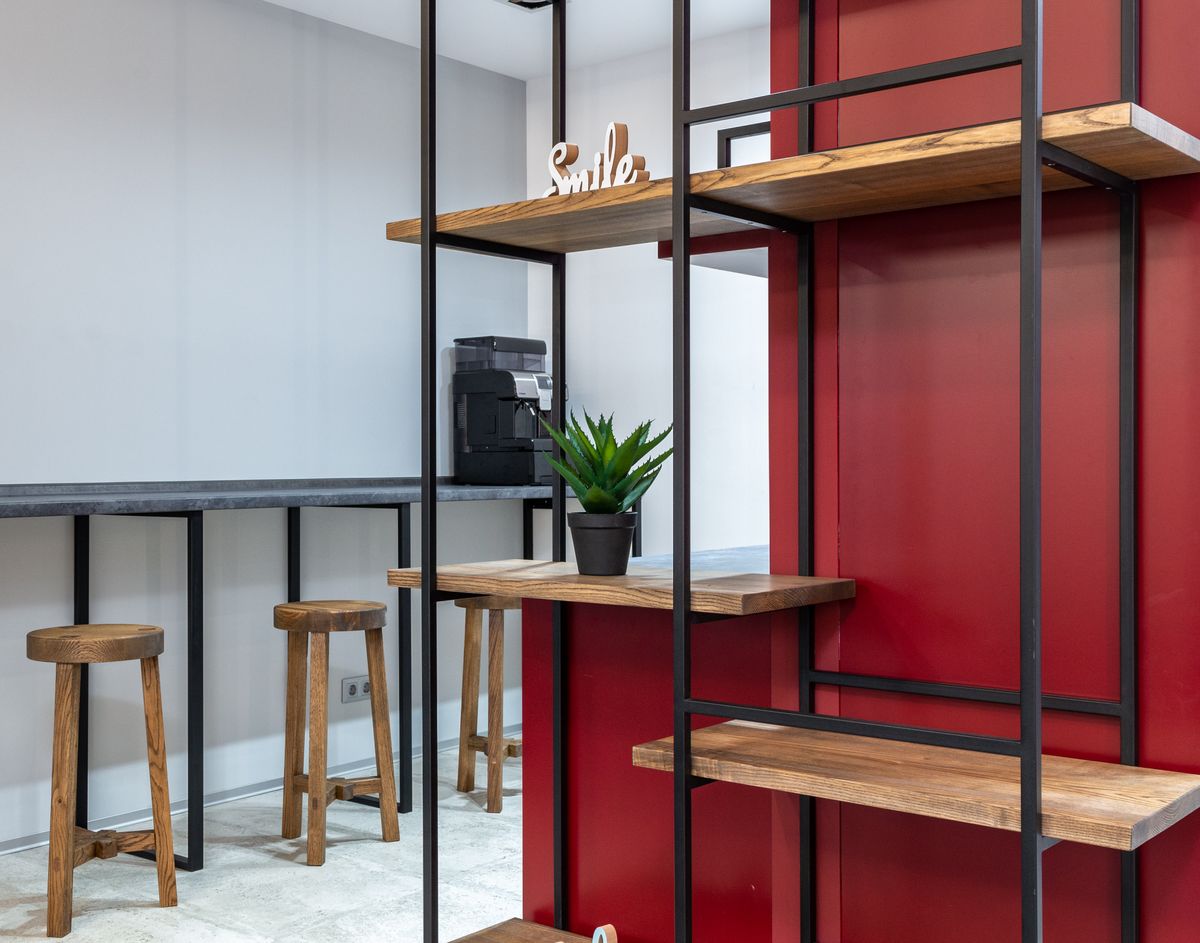
Freestanding shelving can be easier to rearrange or take to another home than built-in storage. It still needs a stable installation in each location. The word freestanding describes the furniture's form; it does not override an instruction to secure it to the wall.
Look for the assembly manual before buying. Check the anchoring requirements, adjustable feet, shelf positions and load limits. If the intended room cannot accommodate the required installation, choose another product or location. Do not omit a restraint simply to preserve the option of moving the unit later.
Plan for the next room without guessing its shape
A modest-width unit may offer more placement options than one long, heavy assembly. Several independent units can be rearranged, although each needs the installation its manufacturer requires. Modular sections are useful only when the connections and configurations are approved for that system.
Check the height against doorways and the delivery route, particularly if the unit will be moved while assembled. Some furniture is designed for disassembly; other products may not tolerate repeated dismantling well. Keep the instructions and all specified fittings so that a future move does not depend on improvised replacements.
Adjustable shelves can accommodate changing contents, but adjustment does not change their load rating. Dense paper files may require a different storage choice from lightweight boxes. Place contents according to the manufacturer's loading guidance and keep frequently handled heavy items at an appropriate height.
Moving day is a separate setup
Empty the shelves before moving the unit unless the manufacturer expressly specifies another method. Remove loose shelves and secure other parts as instructed. Do not drag a tall unit by an upper shelf or treat the back panel as a lifting handle.
After relocation, inspect joints, supports and panels before loading. Level the unit appropriately and reinstall the required anchoring with hardware suitable for the new wall. Old wall fasteners may not be appropriate for a different surface, and an anchor should not be reused merely because it looks intact.
Consider the contents at the new location, too. A shelf previously used for stationery may be tempting for equipment or heavy archives. Recheck the relevant ratings rather than assuming the furniture's successful past use proves suitability for a new load.
Portable storage works when its setup information travels with it. Keep the model details, instructions and spare approved fittings together. That small record makes it easier to preserve the flexibility you bought without losing the stability the furniture requires.