A desk can fit the office and still fail to fit around the stairs. A cabinet can arrive in manageable cartons but need more assembly space than the room has available. Delivery and installation deserve a short plan before the order is placed, particularly when the furniture is large, heavy or difficult to return.
Read what the delivery service actually includes. Curbside delivery, delivery to a doorway, delivery to a chosen room and assembly are different services. Confirm the arrangement in the order details rather than relying on a photograph of furniture already in a finished room. If there are stairs, restricted parking or limited access, resolve those conditions with the seller or carrier in advance.
Measure the route and the packages
Obtain carton dimensions and weights where available, along with the size of any part that arrives assembled. Check door openings, hallway turns, stair landings and elevator limits as relevant. Measure the usable opening with handles, rails and doors in their actual positions. Do not assume a large flat object can always be tilted around a turn without checking the geometry and safe handling requirements.
Ask whether a large piece can be disassembled as intended by the manufacturer. Removing structural parts or electrical components merely to force a product through an opening can create a different problem. If access is uncertain, use a delivery or installation service able to assess the route rather than planning an improvised lift on arrival day.
Clear a place for the unopened cartons that does not block exits or important household routes. Protect the floor with suitable materials that will not create a slipping hazard. Arrange the assistance required by the instructions; a heavy top is not a one-person job just because one person can briefly raise one end.
Before the first fastener
Inspect the packaging and contents according to the seller's delivery procedure. Photograph visible damage for the claim process if needed, without assuming that every cosmetic mark is harmless or that every damaged carton means the furniture is unusable. Keep order details and communicate with the seller within the applicable reporting terms.
Read the complete assembly instructions before opening all the hardware bags. Identify parts and fasteners, including pieces that look similar but differ in length. An incorrect screw can damage a panel or prevent the next stage from fitting. Use the tools and tightening method specified; more force is not a substitute for the correct part or alignment.
Assemble in the sequence and orientation described. Some joints need to remain loose until a later alignment step. Others require assistance to hold a component safely. Keep children and pets away from loose hardware, packaging and partly assembled furniture. Stop if a structural part is missing or damaged rather than completing a makeshift version to keep the room on schedule.
Finish the installation, not just the assembly
Check that drawers, doors and adjustable parts operate as intended. Install required restraints or anchoring according to the furniture instructions and the wall construction, with appropriate professional help if needed. Do not begin loading a tall storage piece while required anti-tip measures are still unfinished.
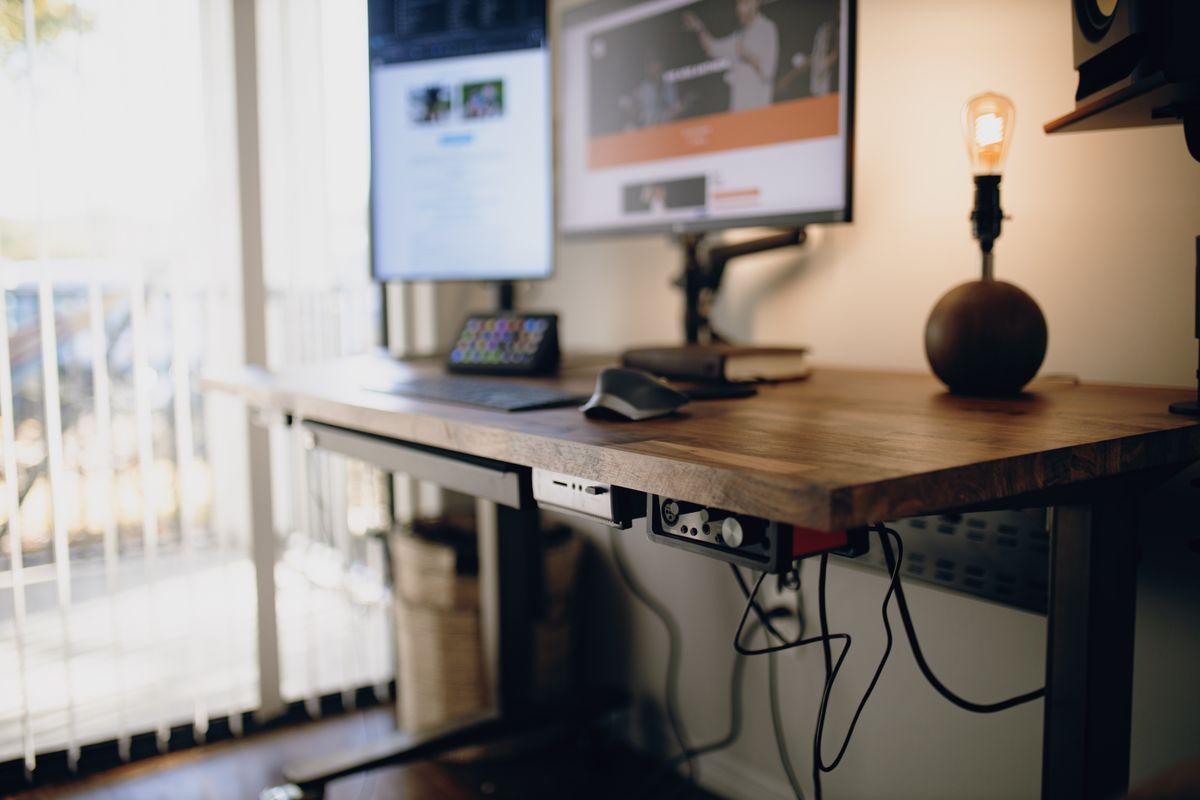
For a powered desk, follow the electrical connection, cable routing and initial setup instructions. Confirm that the moving surface has the required clearance from surrounding furniture. Keep the manual and spare identified hardware somewhere useful, then remove packaging through an appropriate route once the product has been checked and any return requirements considered.
The installation is complete when the furniture is secure, usable and safely accessible, not merely when the last carton is empty. Planning those final steps in advance makes delivery day less dependent on whatever tools, space and help happen to be available.