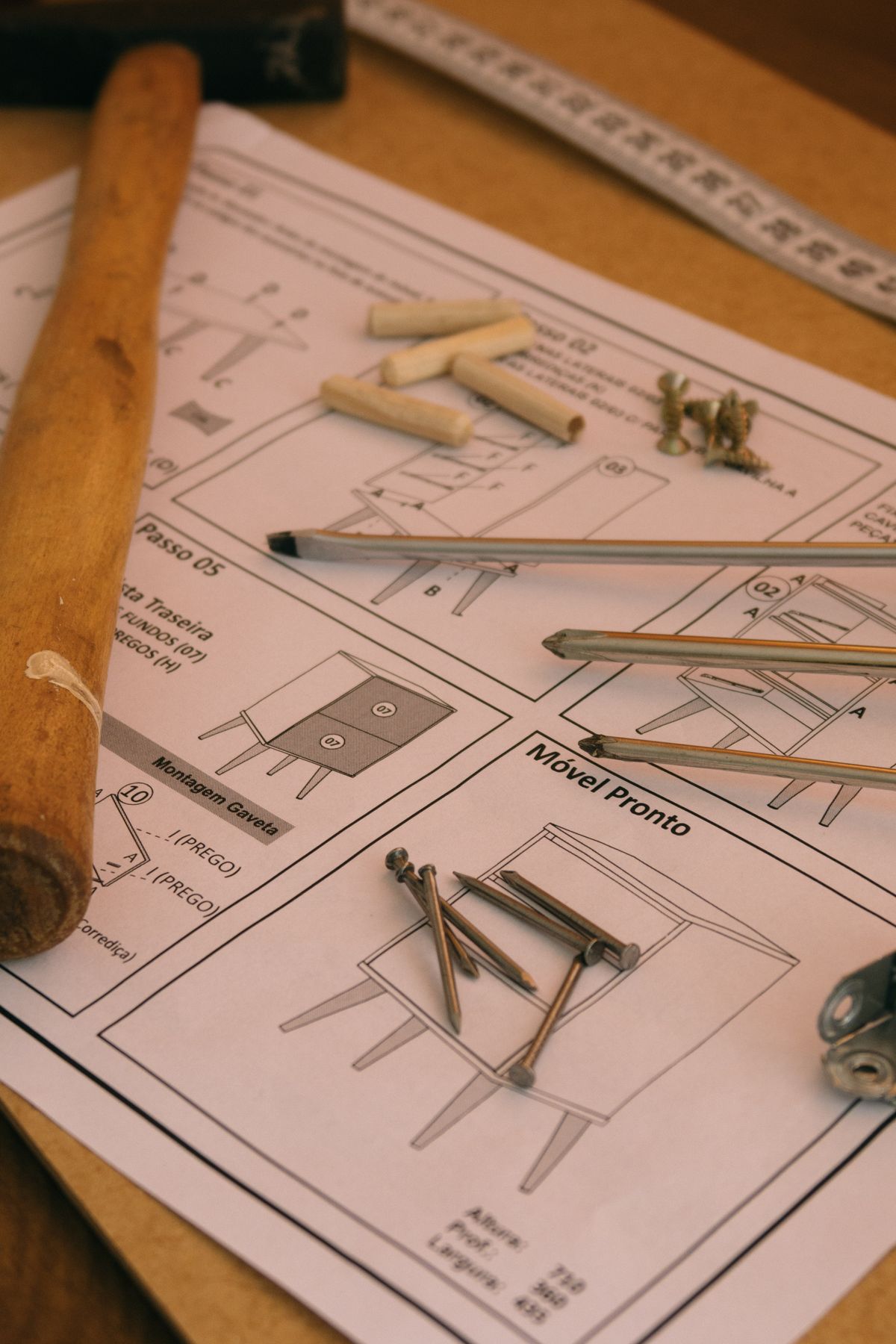
The moment a printer displays an unfamiliar message is a poor time to discover that the manual disappeared with the packaging. A short equipment record can keep the relevant information together without turning a home office into an inventory department. The useful record answers what the item is, where its instructions are and what has already happened to it.
Record the identity while it is accessible
Save the brand, full model number and serial number where appropriate, along with a photograph of the product label. Include any important suffix because similar models may use different supplies or procedures. Keep serial numbers and purchase details in a suitably private location rather than publishing the inventory or attaching it to a shared webpage.
Store the receipt or invoice with the purchase date and seller. If there is a separate warranty document or registration confirmation, keep that too. A record of purchase is useful evidence, but it does not by itself establish what a particular warranty covers. Refer to the terms and the manufacturer or seller when a claim is needed.
Keep both a local copy and the official route
Download the correct manual from the manufacturer's official site and name it with the model number. A local copy remains useful when a device fails during an internet outage or a product page moves. Save the official support link as well, because updated software, safety information or revised instructions may appear after the original document was downloaded.
Avoid collecting every marketing leaflet alongside the operating instructions. Separate setup, maintenance and accessory information if the files are numerous. A one-line note identifying the correct ink, toner or other replacement code can be helpful, provided it is checked against the exact model rather than copied from a similar listing.
Add only the history that helps
Record a service date, an error message, a replaced part or a support case reference when something significant happens. Use plain descriptions and keep photographs of a recurring fault if they are useful. There is no need to log every ordinary print job or create a complex spreadsheet for equipment that rarely changes.
For a shared office, make the manuals and non-sensitive setup notes available to the people who maintain the equipment. Keep account passwords, recovery keys and private purchasing information in their appropriate secure systems instead. When an item leaves the office, update its status and pass along permitted instructions without transferring personal records. A modest, current record is easier to trust than a detailed inventory nobody remembers to maintain.