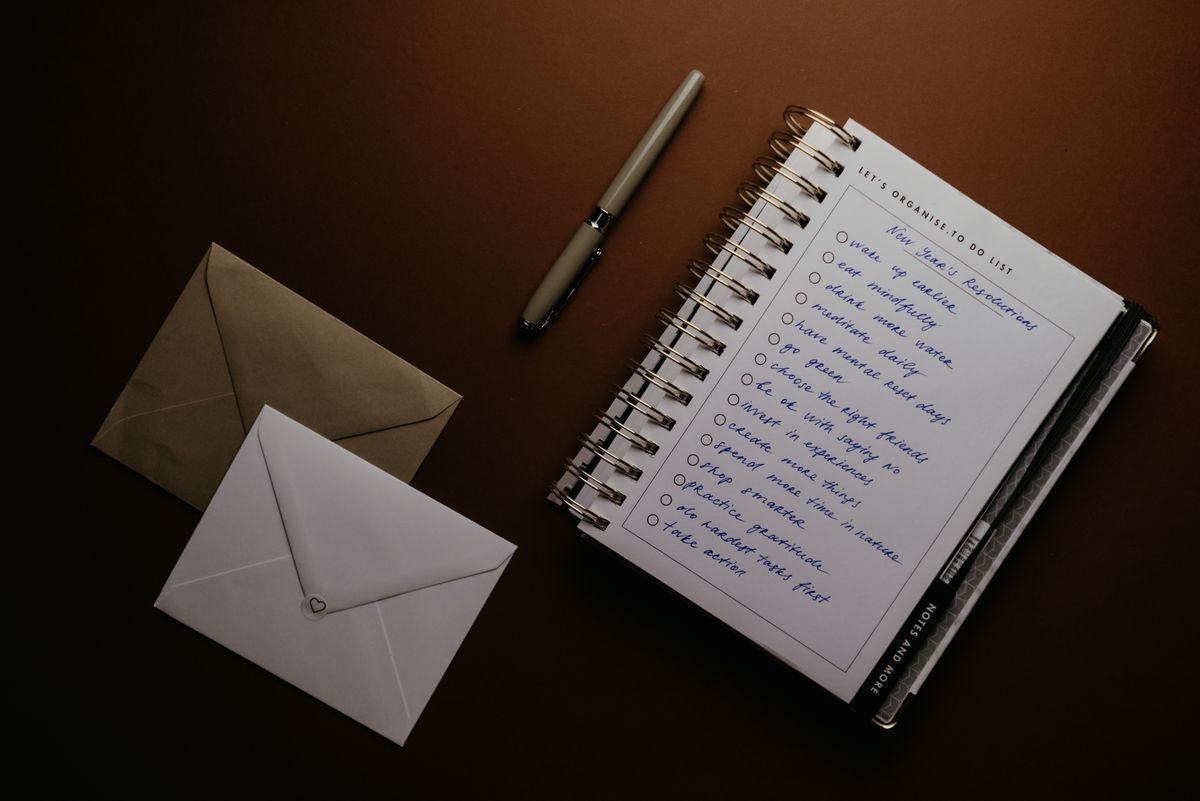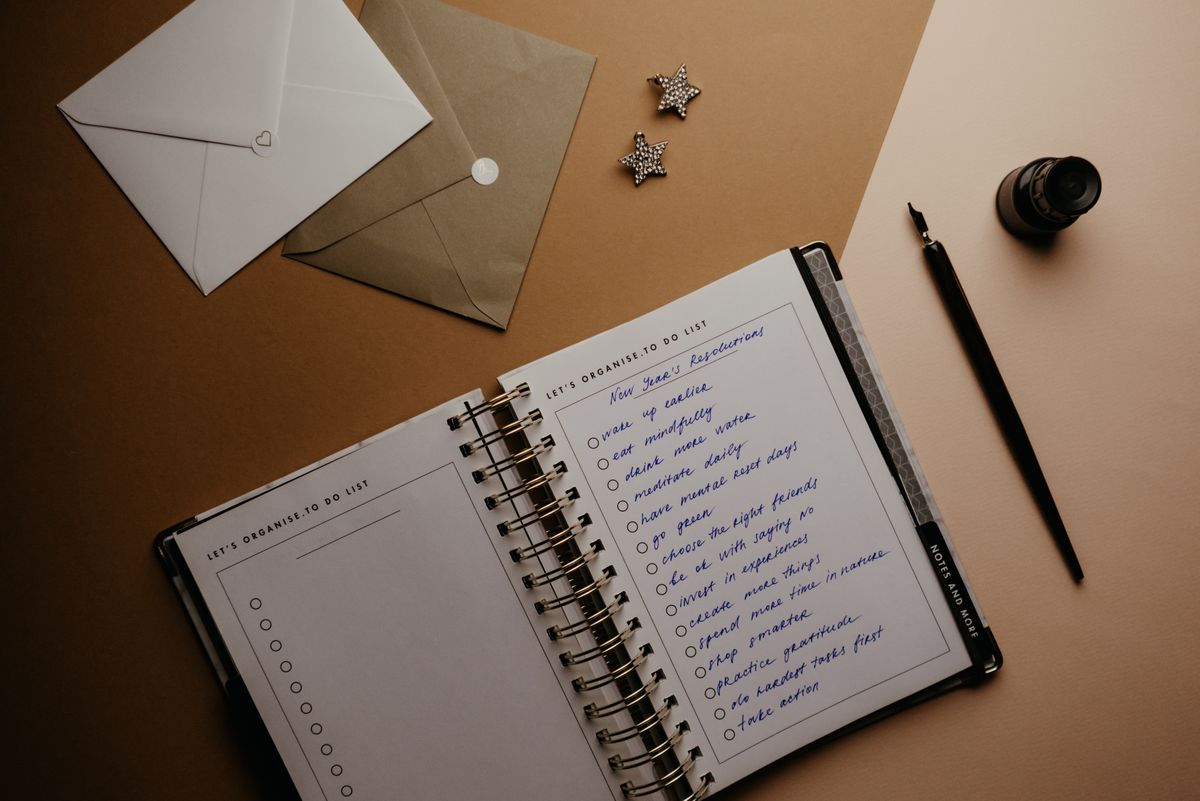
The meeting note is in a notebook. That much is certain. Finding it requires remembering which notebook, roughly when the meeting happened and whether the decision was recorded near the start or in a margin. A notebook can make writing easy while making retrieval unnecessarily hard. Choose its format around the way you will look things up later.
Imagine a real future question: What size did the customer request? Why was the delivery date moved? Which measurements were taken before the desk was ordered? If the answer is normally tied to a date, chronological notes may work well. If it belongs to a long-running project, a notebook that lets you group or index that project may be more useful.
Decide what you need to find
A daily work notebook can be simple. Put the date at the start of each session and use a short subject line that means something outside the moment. 'Printer delivery — access and setup' is easier to recognize than 'Call.' Leave enough space around that heading to spot it while turning pages. You do not need an elaborate symbol system for the heading to do its job.
For recurring projects, page numbers and a few index pages can help. Add a short entry when a useful note is made, not a complete transcription of the page. 'Desk move: cable lengths, p. 36' points to the information without creating a second filing job. A notebook with printed page numbers saves a little effort, but numbering the pages you actually use is also an option.
If you frequently move decisions between projects, consider whether a fixed bound book is the right tool. Removable pages or a separate digital record may fit better. There is little benefit in buying an elaborate notebook and then spending every Friday copying everything out of it solely to find it again.
Let the page support the content
Ruled pages guide long writing. A grid can help align measurements and small tables. Blank pages leave room for sketches. These are tendencies, not rules: the useful test is to write one representative page in the format you are considering. Check the actual usable width, including the space lost near the binding.
Paper behavior also matters. Use your usual pen on both sides of a sample sheet if you can. Look for show-through, feathering and smudging after the interval you normally allow before closing the book. Paper that feels impressive between your fingers can still be awkward with the ink you prefer.
Consider where the notebook lives. A large book may be pleasant on a desk but inconvenient in a small bag or a crowded meeting space. A pocket book travels easily but can turn a modest diagram into several cramped pages. Choose for the setting in which most notes will be made, and keep a separate small capture pad only if you have a clear way to transfer the information that matters.
Make closure part of the system
When a notebook is full, label its spine or cover with a useful date range and subject. Review loose slips before storing it, and move any outstanding action into whatever system you use to manage current work. An unfinished task should not disappear simply because its notebook has been put on a shelf.
Do not treat every page as a permanent record. Follow the retention and confidentiality requirements that apply to the work, and avoid leaving sensitive notes in a shared cupboard. For ordinary reference, a short index and a recognizable cover label can be enough. The right notebook leaves a trail you can follow without having to remember the day you wrote it.